Osteoarthritis (OA) is the most common form of arthritis. It affects nearly 27 million people in the United States alone, and more than 40% of people over the age of 70.
This debilitating disease occurs when cartilage in the joints breaks down. As the protective cushion deteriorates, bones begin to rub against each another. The end result is pain, inflammation, disability and a significant decline in the quality of life.
And while a number of factors can increase the risk of OA – including age, genetics, high impact jobs and the mechanical stress associated with carrying extra body fat – new research shows that your diet can also play a big role in the development and progression of the disease.
Today, we cover the links between a high carbohydrate diet and the development of OA. You'll also discover the two (surprising!) dietary factors that are most problematic. And how you can eat to prevent arthritis… as well as reduce pain and symptoms in case you're already suffering.
Keto Diet and Arthritis: Stopping Pain at the Source
In conventional medicine, the first-line treatments for degenerative arthritis are anti-inflammatory and painkilling drugs. Many doctors also advocate for joint replacement surgery.
Of course, with the "opiod epidemic" in full swing, we understand the risks associated with painkillers. In addition, there are also significant risks associated with surgical treatment, including infection, rejection or implant illness, and a potentially long recovery.
However, new research shows there may be safer and better ways to prevent and treat OA: Your diet!
We've long known that free radicals and the "oxidative stress" caused by these compounds plays an important role in most chronic diseases. And arthritis is no exception…
A recent study, published in Pain Medicine, evaluated the levels of oxidative stress in test subjects and how these levels are correlated with painful symptoms. The researchers already knew that lower oxidative stress is associated with less pain.1
But they also sought to discover which diet could reduce oxidative stress the most – and therefore provide pain-relief for those suffering degenerative arthritis.
The researchersexamined a group of subjects over the age of 65 – all of whom experienced arthritic pain and damage in their knees. The subjects were split into three groups and prescribed a diet. One group followed a low-carb diet. Another followed a low-fat diet. And the third group ate as they normally would.
Every three weeks, the researchers analyzed the patients' levels of pain and oxidative stress. What they found was a strong link between a low-carb diet and reduced pain.
Lead author of the study, Dr. Robert Sorge, said:
"People can reduce their pain with a change in diet." He also noted that eating fewer carbs is a "great way to reduce the use of pain relievers and improve general health."
Fiber & Sugar: A Painful Combination?
It's no secret that a high-carb diet elevates blood sugar, increases inflammation and promotes oxidative damage. But there's another way your carb-addiction could cause painful joints – by altering your microbiome.
A study published in Disease Models & Mechanisms found that the carbohydrate composition of diets increased the risk of osteoarthritis in animals (even when the animals didn't differ in weight).2
According to the lead researcher, Dr. Timothy Griffin:
"We know increased body fat elevates risk, but we haven't appreciated as much how diet affects the disease risk. […] There can be significant dietary effects linked to increased OA risk – even in the absence of obesity."
In the study, the primary culprits that increased OA risk were fiber and sugar.
The researchers found that a high-sugar diet increased signs of inflammation in the joints. No surprise there. But they also discovered that a high-fiber diet caused unhealthy changes in cellular stress-response pathways and the genes that regulate cartilage production and repair.
This might come as a surprise, as fiber is often touted as a "necessary" component of a healthy diet. But this study indicates that fiber may have a dark side, when it comes to OA.
Your Personalized Pain-Relieving Plate: Eat to Alleviate Discomfort
Adopting a low-carb or keto diet for arthritis patients has been shown to benefit nearly every form of chronic disease. It can also go a long way toward alleviating the pain of OA by:
Stabilizing blood sugar
Reducing oxidative stress
Lowering systemic inflammation
Positively altering the microbiome
Of course, achieving an ideal weight, optimizing vitamin D levels, getting adequate sleep and engaging in healthy movement are also important for overall health.
If you have OA a low-carb diet just might be just the change you need to improve your mobility and quality of life. To get started, here are some simple and delicious low-carb and keto meal ideas:
Pastured eggs and sugar-free bacon with sliced avocado
Wild sardines with arugula salad
Grass-fed franks with mustard and sauerkraut
Grass-fed ribeye with sautéed onions and steamed broccoli
Oggi affrontiamo un aspetto nutrizionale importante: come seguire una dieta low carb in un regime dietetico vegano.
Essere vegani o vegetariani, a detta di molti, è incompatibile con mangiare Paleo o a basso tenore di carboidrati.
Evidenze scientifiche sulla Dieta Low Carb Vegana?
Beh, sinceramente molto poche.
Infatti, il maggior studio condotto ad oggi è uno in cui viene analizzata la chiamata Dieta "Eco-Atkins", una versione vegetariana della famosa dieta Atkins.
Nello specifico, in questo studio 57 pazienti obesi sono stati assegnati o alla dieta low carb vegana o a una dieta ad alto contenuto di carboidrati vegetariana, che comprendeva latte e uova.
Naturalmente, questa dieta era stata regolata in termini di calorie (non sappiamo se anche per quanto riguarda le proteine).
Conclusioni: si ottenne una perdita di peso simile, ma i pazienti del gruppo low carb migliorarono molto di più il profilo cardiometabolico e si mostravano più contenti con la loro dieta (1).
L'aspetto interessante di questo studio è che è stata condotta una seconda parte, in cui veniva permesso ai partecipanti mangiaread libitum, e cioè tutto quello che volevano.
Non c'è da stupirsi del fatto che il grupo low carb ottenne un miglior mantenimento sulla perdita di peso oltre ad un profilo lipidico molto più favorevole alla fine dei sei mesi, periodo di tempo in cui vennero seguiti i pazienti. (2).
Consigli più importanti se sei Vegano e vuoi Mangiare Low Carb
I benefici di un approccio di dieta low carb vegana son o gli stessi che per quelle onnivore e ne abbiamo parlato in altri posts.
Bisogna essere onesti, se sei vegano e vuoi ridurre il tuo consumo di carboidrati la tua dieta sarà piuttosto limitata.
La natura si è occupata di includere carboidrati in buona parte dei prodotti di origine vegetale, mentre c'è un ampio elenco di prodotti di origine animale con scarsi o addirittura senza carboidrati.
Ma non disperare, possiamo gestire questa situazione, vediamo come:
Ottenere la quantità adeguata di Proteine è la priorità numero uno
Come ben saprai, esistono 9 aminoacidi essenziali e 20 totali.
Essenziale significa che il tuo corpo non lo produce, quindi devi introdurlo con la dieta.
La maggior parte delle fonti proteiche di origine animale (carne, pesce, uova) ha un aminogramma completo: cioè, possiede tutti gli aminoacidi essenziali.
Non succede lo stesso con le fonti vegetali, ad eccezione della soia e del lievito nutrizionale.
Combinando diverse fonti proteiche vegetali si risolve il problema, così come spiegato in questo post.
Nonostante ciò, sembra esserci un altro ostacolo: se vogliamo limitare il consumo di carboidrati, questo numero di combinazioni si riduce notevolmente.
Per esempio: Di solito quello che facciamo in una dieta vegana senza restrizioni di CHO è unire fonti ricche di lisina, come fagioli o piselli, con cereali, ricchi di metionina.
Come puoi immaginare, i cereali e la gran quantità di legumi non si adatta completamente alla dieta low carb.
Alimenti vegani ricchi di proteine
Lupini: forse non sono i legumi più comuni, vengono chiamati "fusaie", o nel mio paese (Spagna) li chiamiamo "chochitos" o "chochos", che curiosamente ha un significato poco ortodosso. Se vuoi cercarlo su Google, cercalo con il primo nome. Questa specie di fagioli contengono 25 grammi di proteine e 10 grammi di carboidrati netti per ogni 200 grammi.
Lenticchie: 18P/24CHO per 200 grammi.
Fagioli borlotti: 12P/25 CHO per 170 grammi.
Ceci: 12P/26 CHO per 164 grammi.
Piselli: 9P/13 CHO per 200 grammi.
Tempeh: 20P/4CHO per 100 grammi.
Edamame: 17P/5CHO per 100 grammi.
Tofu: 15P/2CHO per 120 grammi.
Proteine in polvere di riso o piselli: fino a 24 grammi di proteine con non più di 2 grammi di CHO per sevizio.
Lievito nutrizionale: 16 grammi di proteine, 4 grammi di CHO per 30 grammi.
E per quanto riguarda le quantità?
Ad eccezione della soia e i suoi dervati, le proteine di origine vegetale si dirigono e si assorbono peggio rispetto a quelle di origine animale, di conseguenza dovrai aumentare del 30% la quantità di proteine che consumi se escludi la soia.
Al contrario, se includi la soia, non cambia la quantità di proteine richiesta.
Un modo più semplice per farlo è andare oltre l'intervallo di proteine richiesto, che in generale si aggira intorno agli 1-1,8 grami per kg di peso corporeo ideale:
Se ometti la soia, vai verso il margine superiore.
In alternativa puoi rimanere a metà, anche se questo dipende anche da molti altri fattori (sovrappeso, attività fisica, esercizio fisico, età, ecc).
Per quanto riguarda il timing, cerca di includere proteine ad ogni pasto invece di assumerle di colpo, in questo modo potrai migliorare la sintesi proteica a livello muscolare.
Conta i Carboidrati
In un altro post abbiamo analizzato cosa significa mangiare low carb in termini quantitativi.
Se segui una dieta low carb vegana diciamo che ci muoviamo tra 30 (più restrittiva) e 100 (più permissiva) grammi di carboidrati netti.
Quanto più permissivo, maggiore sarà la flessibilità nella dieta, oltre che meno monotona.
Se non conti, anche in modo approssimativo, i grammi di carboidrati netti (senza le fibre) ti risulterà molto difficile mantenerti in una dieta low carb vegana.
Con la dieta onnivora è più semplice, perché molti alimenti sono quasi privi di carboidrati.
Ma nel regno vegetale, come abbiamo detto in precedenza, i carboidrati abbondano.
Includi Grassi Sani
I grassi danno il senso di sazietà e le calorie necessarie per arrotondare la tua dieta.
Relativamente a questo punto, abbiamo diverse opzioni sane come l'olio extra vergine di oliva, l'olio di noci di macadamia, di cocco o panna di cocco.
Non tutti gli alimenti vegani sono buone opzioni.
Dobbiamo cercare quelli con una più alta densità nutrizionale per 100 grammi di alimento.
Questa è una buona lista da appendere al frigo:
Praticamente tutte le verdure che crescono sopra la terrra
Gli spinaci sono un gioiello nutrizionale: ricchi di calcio, ferro, zinco e con un grammo di carboidrati per 100 grammi (molto) di spinaci.
In aggiunta agli spinaci, sono buone opzioni anche lattuga, asparagi, avocado, olive, pomodoro, cetriolo, zucchina, melanzana, cavolfiore, cavolo, kale, broccoli, peperoni, cavoletti di Bruxelles o fagiolini.
Evita quelli che crescono sotto terra (hanno solo carboidrati), come la patata, la carota o la barbabietola.
Frutta secca a basso tenore di carboidrati
Lascia da parte arachidi e anacardi che contengono una quantità più elevata di carboidrati.
Noci o mandorle sono un'ottima opzione.
Semi di sesamo: calcio, ferro, zinco.
Semi di canapa: fonte di Zinco e Omega-3.
All'interno della frutta abbiamo un elenco piuttosto limitato
I frutti rossi (more, fragole e mirtilli…) sono la miglior opzione. Anche il cocco, limone e le prugne sono una buona opzione e non contengono troppi carboidrati.
In estate, 100 grammi di melone o anguria forniscono 7 e 10 grammi di carboidrati rispettivamente.
Non dimenticare la tua Vitamina B12
Si tratta di una vitamina fondamentale.
Si sei vegano devi integrare la tua alimentazione con vitamina B12.
La carenza di B12, anche se non è frequente, è un problema di salute serio che può compromettere il tuo sistema nervoso, a volte in modo irreversibile.
Prendi un integratore che apporti almeno 5 microgrammi giornalieri. È facile!
Spero che questa guida sia stata di aiuto. Ci vediamo nel prossimo post. Continuiamo a rafforzarci!
Fonti Bibliografiche
Jenkins DJA, Wong JMW, Kendall CWC, Esfahani A, Ng VWY, Leong TCK, et al. The effect of a plant-based low-carbohydrate ("eco-atkins") diet on body weight and blood lipid concentrations in hyperlipidemic subjects. Arch Intern Med. 2009.
Jenkins DJA, Wong JMW, Kendall CWC, Esfahani A, Ng VWY, Leong TCK, et al. Effect of a 6-month vegan low-carbohydrate ('Eco-Atkins') diet on cardiovascular risk factors and body weight in hyperlipidaemic adults: A randomised controlled trial. BMJ Open. 2014.
Voci Correlate
Ricetta Gelato ai Frutti Rossi Vegano. In questo link.
Ricetta Brownie Vegano. Fai click qui.
Si sei Vegano, la supplementazione con Vitamina B12 è fondamentale…continuare a leggere .
Carbs may be delicious, but, depending on your health status and any conditions you may have, they may not be the most nourishing (or healthy) macronutrients for you to eat. However, that doesn't mean you can't enjoy your favorite typically higher-carb foods — it just means you need a bit of creativity and a few tips and tricks for making modifications. That's especially true when it comes to a classic breakfast favorite: quiche.
Traditional quiche begins with a pie crust as its base, which isn't ideal if you're limiting carbs. But, by removing the crust — or using some delicious, low-carb substitutes — you can still enjoy the delicate egg and zesty ingredient combinations that make this dish so versatile. Start diversifying your low-carb breakfast menu (or even your evening meals) with these easy crustless quiche recipes.
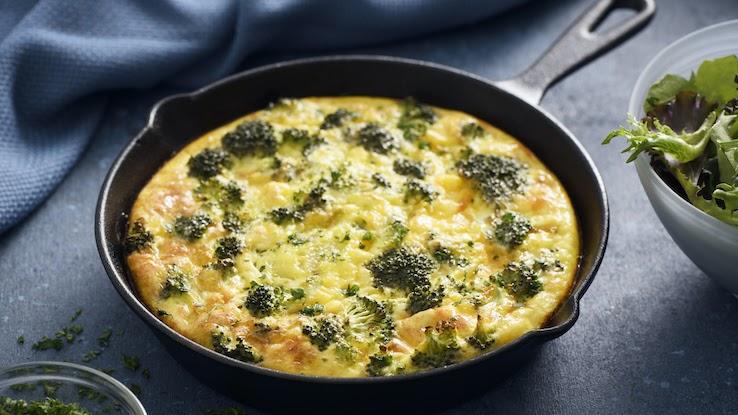
Crustless Vegetable Quiche
Photo Courtesy: [EasyBuy4u/Getty Images]
Starting the day with an array of healthy vegetables — plus the protein from eggs — on your plate is never a bad idea. That's why this crustless vegetable quiche is such a nice option: You get great flavors and all the nutritional benefits of whatever veggies you add. Plus, it's vegetarian friendly. Even if you're not fully vegetarian, there are some great reasons to try this quiche; forgoing meat once in a while and upping your consumption of fresh produce can improve your cholesterol levels, for one.
This recipe from Food.com calls for broccoli, red pepper and zucchini, though you can swap them out for other vegetables if you prefer. Mushrooms, asparagus and tomatoes are tasty options as well. All are great sources of different vitamins, minerals and fiber. Add the cheese of your choice and some salt and pepper or other spices for an easy way to change up the flavor profile.
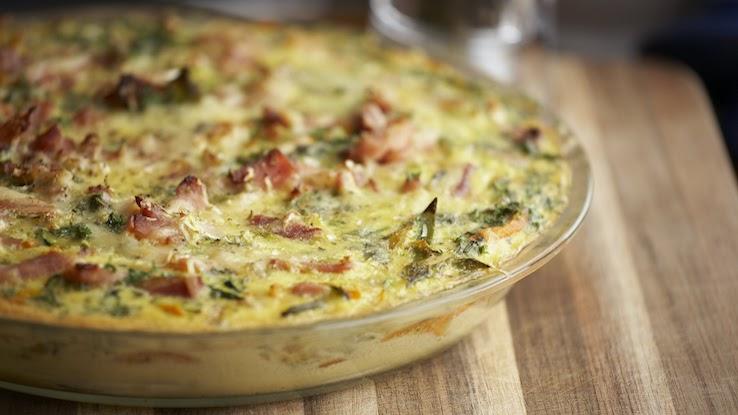
Crustless Quiche Lorraine
Photo Courtesy: [jaker5000/Getty Images]
Quiche Lorraine might be one of the most classic (and best-known) recipes for this dish — and it's just as delicious without the crust. If you're looking for a keto-friendly breakfast dish that helps you reach your daily protein goals, this crustless quiche Lorraine, also from Food.com, is a top option.
Generally, people who follow the ketogenic diet get about 75% of their daily calories from fat, 20-30% from protein and around 5% from carbs. This recipe gets its fat and protein from the eggs, bacon and Swiss cheese you'll use. If you want to add a vegetable for extra flavor and nutrients, try spinach; it's relatively low in carbs but packed with healthy vitamins A and K.
Bacon Cheeseburger Keto Breakfast Quiche
Photo Courtesy: [John Rizzo/Getty Images]
Looking for more crustless quiche options that work just as well for dinners as they do your morning meals? You'll want to try this bacon cheeseburger keto quiche from Kalyn's Kitchen. It satisfies keto fat and protein requirements thanks to its ground beef, bacon, eggs and the cheese of your choice (we recommend sharp cheddar). For a little bit of low-carb veggie crunch, add a handful of green onions and pickles into the mix too — yes, pickles in crustless quiche. They really do elevate this dish with their crunch and zesty tang.
Spicy Southwest Crustless Quiche
Photo Courtesy: [yipengge/Getty Images]
For those on the keto diet who also like a little kick to their meals, this spicy Southwest crustless quiche from the folks at Wisconsin Cheese will definitely satisfy any flavor cravings. It's packed full of fat and protein thanks to its eggs, heavy whipping cream, milk and pork sausage. Add some jalapenos, green peppers and pepper jack cheese to crank up the spice level.
As with most of the quiche dishes in this list, you'll cook this in a greased pie dish at 350 degrees Fahrenheit until the edges are golden brown and the center of the quiche no longer looks runny or jiggly. It may take about 45 minutes to achieve the right cooked consistency, and you can also tell the quiche is done — as with many baked treats — when a knife inserted into the center comes out clean. Let the quiche stand for about 10 minutes to fully firm up before slicing into it.
Vegan Crustless Quiche
Photo Courtesy: [Cavan Images/Getty Images]
This one is a bit of a surprise — a unique and flavorful surprise. You already know quiche is an egg dish, and eggs aren't vegan. So you might also be wondering how a vegan version could exist. In showcasing some true culinary creativity, this vegan crustless quiche from The Spruce Eats utilizes tofu, dairy-free crumbled cheese, soy or almond milk, nutritional yeast, ground cashews and dairy-free cream cheese.
The result is a smooth, authentic crustless quiche that's perfect for people who eat a plant-based diet or those who are allergic to eggs. In addition to its healthful egg-free base, it's got asparagus, garlic and turmeric to spice things up just right. You can always add or substitute your preference for other veggies as well; consider using what's in season to enjoy them at their peak of freshness.
Kale and Feta Crustless Quiche
Photo Courtesy: [Kale and Feta Crustless Quiche/Eating Bird Food]
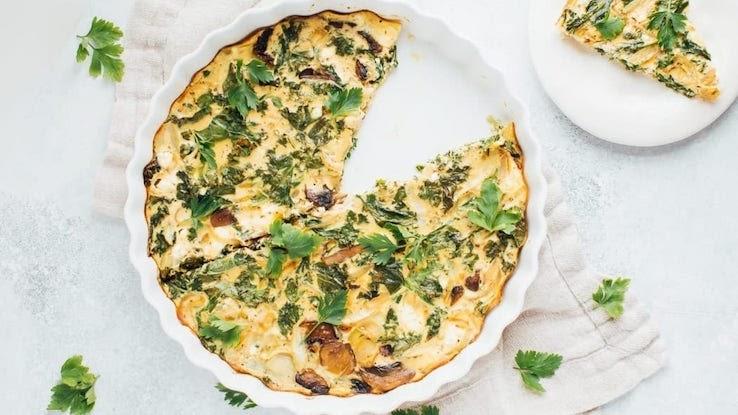
Eating Bird Food's kale and feta crustless quiche recipe is an easy yet flavorful low-carb meal that makes for not only a delicious breakfast but also an ideal main course for lunch or dinner. Simply pair a slice with a cup of soup or a salad to create a well-rounded meal. As an added bonus, this recipe is a little different from other basic crustless quiches, which can keep your taste buds on their toes while giving you a nutrient boost at the same time.
Aside from the kale, feta and eggs — its star ingredients — this recipe uses coconut oil, almond milk, mushrooms, garlic, nutmeg and parsley. And here's an interesting tidbit of information about kale: It's a superfood that's chock-full of vitamins and minerals — but that's also low in calories and carbs.
The low carbohydrate diet has been the topic of much controversy. One reason cutting carbs is so popular, however, is because it is a quick way of dropping the pounds.
Carbohydrates are the body's main source of energy, as well as fuel for vital organs, such as the kidneys, central nervous system, and brain. Healthful carbs, such as so-called complex carbs, are necessary for the body to work optimally.
Carbohydrates are broken down into a simple form of energy called glucose. The body uses insulin to carry the glucose into the cells. When too many carbohydrates are consumed, the blood sugar level spikes, insulin rises, and the result of this is often weight gain.
In this article, we take a look at how many carbs someone needs to eat to lose weight, and whether or not a low-carb diet is healthful? We also examine the best and worst sources of carbohydrates to eat.
Share on PinterestLow-carb diets may lead to rapid weight loss, but there could be side effects.
Low-carb diets restrict the number of calories a person gets by limiting their carbohydrate food sources. This includes both good and bad carbs. Low-carb diets tend to be higher in proteins and fats to compensate.
Carbohydrates are the body's main source of energy. If this supply is reduced, the body burns its stores of protein and fat for fuel.
Low-carb diets, such as the Atkins diet and the Dukan diet, have been found to lead to rapid weight loss. However, these diets are extreme and can have some unwanted side effects.
For most people, it may be healthier to take a more moderate approach when reducing carbohydrate intake to help lose weight.
How many carbs and calories should people eat to lose weight?
Although many studies indicate that low carb diets promote fast weight loss, often this reduction in weight is short-term.
Recent research supports the idea that high-quality nutrition does not just involve controlling calories that come from carbs. Instead, dieters should pay attention to how many calories are ingested from all food sources, including carbohydrates, protein, and fats, and find a healthy balance.
In a recent study, dieters were observed to compare the different weight losses that resulted from a low-fat diet (LFD) and a low-carb diet (LCD). The researchers found that after 6 months of following calorie-reduction diets, weight changes were similar for both the LFD and LCD groups.
The Dietary Guidelines for Americans recommend that an adult's total daily calories come from the following:
45–65 percent carbohydrates
10–30 percent protein
20–35 percent fat
Some nutritionists recommend a ratio of 40 percent carbohydrates, 30 percent protein, and 30 percent fat as a good target for healthy weight loss.
A 1,500 calorie diet with 40 percent carbohydrates translates to 600 calories per day from carbs. Using a ratio of 4 calories per gram (g) of carbs, a person on this diet would need to eat 150 g of carbohydrates per day.
This 1,500 calorie diet would also include 450 calories or 112 g of protein, and 450 calories or 50 g of fat per day.
Carbohydrates
600 calories
150 g
Proteins
450 calories
112 g
Fats
450 calories
50 g
The exact breakdown of carbs, proteins, and fats in grams can be calculated using the United States government website, My Plate.com.
People should also be aware that everyone has slightly different needs when it comes to nutrients such as carbohydrates.
People's specific needs will vary based on their height, weight, and activity levels. A diet that works for one person may not necessarily work for another.
As such, it is important for people to discuss any weight loss diet or calorie restrictions with a doctor before starting.
Carbohydrates are important to health as is staying at the correct weight. It is important to note that not all carbs are the same, however.
Carbohydrates are commonly referred to as either "good carbs" or "bad carbs." When trying to follow a healthful diet, and especially when trying to lose weight, carbohydrate intake should focus on good carbs over bad carbs.
Good carbohydrates
Share on PinterestHigh-fiber vegetables, such as sweet potatoes, are an example of good carbs.
Good carbs are complex carbohydrates, which means they are high in fiber and nutrients and take longer to break down. As they take longer to break down, they do not cause blood sugar levels to spike or rise too high.
Examples of good carbs include:
whole fruit with the skin on
whole grains
high-fiber vegetables, such as sweet potatoes
high-fiber beans and legumes
Bad carbohydrates
Bad carbs are simple carbohydrates that are easily broken down and quickly cause blood sugar levels to spike.
Examples of bad carbs include:
white sugar, bread, pasta, and flour
sugary drinks and juices
cakes, candy, and cookies
other processed foods
Eating carbohydrates in their natural, high-fiber form is healthful. Processed foods that are high in white sugar and refined carbohydrates may lead to weight gain.
When counting calories from carbohydrates, ideal weight control can be obtained by observing a healthy ratio of complex carbohydrates, proteins, and healthful fats.
According to the U.S. Academy of Nutrition and Dietetics, the best way to lose weight is through a combination of dieting, exercising, and changing behavior or lifestyle. Registered dietitians can provide advice to anyone wishing to make changes to help them lose weight.
Anyone who is thinking of reducing their carb consumption and eating more protein and fat should monitor their saturated fat intake. Too much of this can increase cholesterol levels, as well as the risk of heart disease.
This Dr. Axe content is medically reviewed or fact checked to ensure factually accurate information.
With strict editorial sourcing guidelines, we only link to academic research institutions, reputable media sites and, when research is available, medically peer-reviewed studies. Note that the numbers in parentheses (1, 2, etc.) are clickable links to these studies.
The information in our articles is NOT intended to replace a one-on-one relationship with a qualified health care professional and is not intended as medical advice.
This article is based on scientific evidence, written by experts and fact checked by our trained editorial staff. Note that the numbers in parentheses (1, 2, etc.) are clickable links to medically peer-reviewed studies.
Our team includes licensed nutritionists and dietitians, certified health education specialists, as well as certified strength and conditioning specialists, personal trainers and corrective exercise specialists. Our team aims to be not only thorough with its research, but also objective and unbiased.
The information in our articles is NOT intended to replace a one-on-one relationship with a qualified health care professional and is not intended as medical advice.
No-Carb Diet Plan Guide, Plus Foods to Eat vs. Avoid
July 31, 2019
Take a moment and imagine slashing your carbohydrate intake by 90 percent. It sounds incredibly challenging but still possible. Now imagine following a no-carb diet plan completely free of all carbohydrates, including pasta, bread, legumes, baked goods, sweets and even fruits and vegetables.
To many, the thought of a low-carb diet plan for weight loss, let alone a diet without any carbohydrates at all, probably seems like a cruel form of torture.
As opposed to the high-carb and sugar-addicted diets that most people living in industrialized nations eat today, no-carb diets tend to spark fast weight loss by reducing foods like grains, fruits and sweeteners.
Cutting these sources of carbs from your diet changes what type of macronutrients your body uses for fuel. Each no-carb/low-carb diet is a bit different, but most drastically reduce glucose (sugar) intake over the course of several phases, resulting in a diet that keeps carbs to about 20–50 net grams or even less daily.
So should you, or shouldn't you, give low-carb dieting a try? What fruit is lowest in carbs? And does this controversial diet plan really work?
Below you'll find out how no-carb diets work, which foods are included, potential benefits and also the risks involved.
What Is a No-Carb Diet? Is It Even Possible?
The no-carb diet is comparable to low-carb diets and the ketogenic diet, a diet that severely limits carbohydrate intake and focuses on healthy sources of fat and protein.
While how many carbs are in a low-carb diet can vary quite a bit, most restrict carb intake to less than 30 percent to 40 percent of total daily total calories. On a no-carb diet, however, even foods that contain small amounts of carbohydrates are off-limits completely.
Although it may come with similar health benefits as low-carb and ketogenic diets, it also comes with a whole different set of risks and challenges as well and must be done very carefully to prevent adverse side effects.
This is because carbs are found in pretty much all types of foods, even if it's only in small amounts. While there are low-carb vegetables, for instance, there aren't any no-carb vegetables that are completely carbohydrate-free.
While theoretically you could eat very close to no carbs — such as from only consuming things like meat, oils or lard — this is not exactly a very healthy way to eat. Most very low-carb diets include at least some plants for fiber and essential nutrients, with an emphasis on those lowest in carbs like leafy greens or broccoli.
Unlike most weight loss diets that usually rely on calorie counting and/or strict portion control, no-carb diets result in weight loss by focusing primarily on reduction of carb-containing foods.
Some sources of carbohydrates that are restricted on a no-carb diet include (but are not limited to):
Fruits
Vegetables
Legumes, including beans, peas and peanuts
Grains, such as pasta, bread, rice and oats
Dairy products
Sugar and sugar-sweetened beverages like soda or juice
Condiments like ketchup, salad dressing or sauces
Nuts and seeds
Crackers and chips
Cakes, cookies and sweets
Conclusion: No-carb diets eliminate all carb-containing foods from the diet. Fruits, vegetables, legumes, grains, dairy products, sugar, condiments, nuts, seeds and processed foods are all limited on this restrictive diet.
Ketosis and How No-Carb Dieting Works
In order to evaluate the benefits and potential risks of a no-sugar, no-carb diet, it's important to understand how carb digestion and fat-burning works.
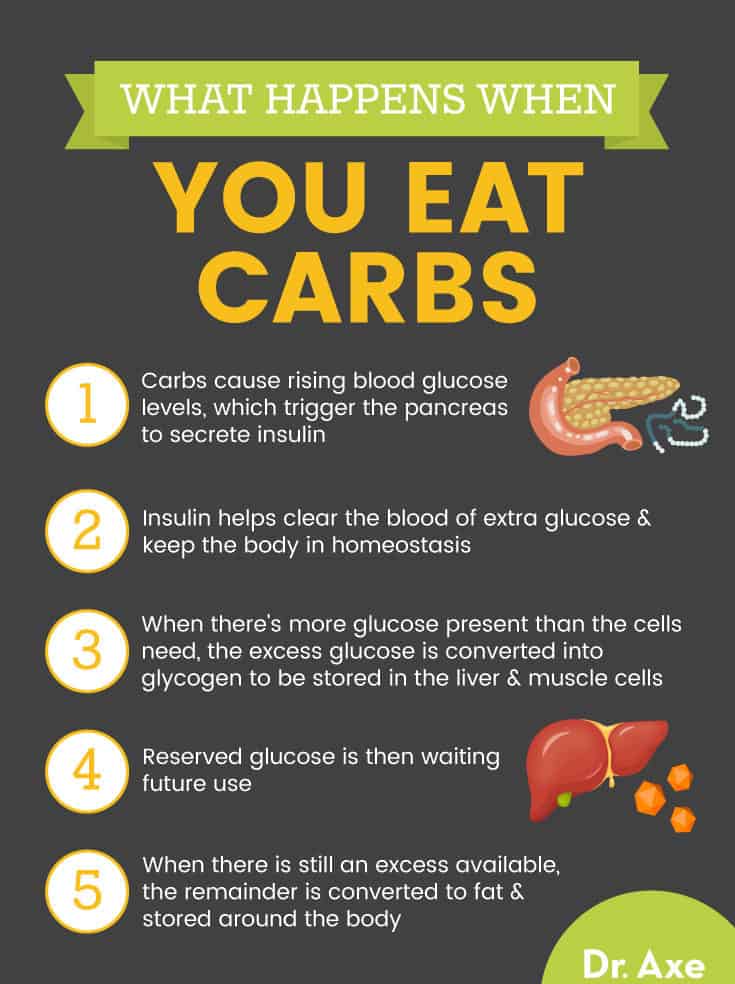
When you eat carbohydrates, blood sugar levels rise, which triggers the pancreas to secrete insulin. This important hormone helps shuttle sugar from the bloodstream into the cells where it can be used for energy.
When there's more glucose (sugar) in your blood than your cells can use, the extra is converted into glycogen and stored in the liver and muscle cells for later use. If there's even more left over, they are converted to fat and stored throughout the body.
Research suggests that for those who lose weight while reducing carbs, it's likely due to consuming less calories overall and feeling full due to adequate protein and fat intake. Protein and healthy fats tend to be very satisfying, killing most sugar/carb cravings.
Another reason no-carb diets increase weight loss is because they often cause your body to enter into "ketosis."
What is ketosis? It means that the body begins burning fat instead of sugar for fuel.
Severely restricting carbohydrates to less than 20 grams a day is often needed to enter into ketosis, which causes ketones (substances left behind when the body burns fat) to build up in your body.
Ketosis can be beneficial in some cases but also potentially has side effects, such as nausea, headaches, mental and physical fatigue and bad breath.
Conclusion: Eliminating carbs from the diet can put your body in a state of ketosis, which causes your body to start burning fat instead of sugar for fuel. No-carb diets are also higher in proteins and fats, which are considered more satiating than carbohydrates.
Foods to Eat
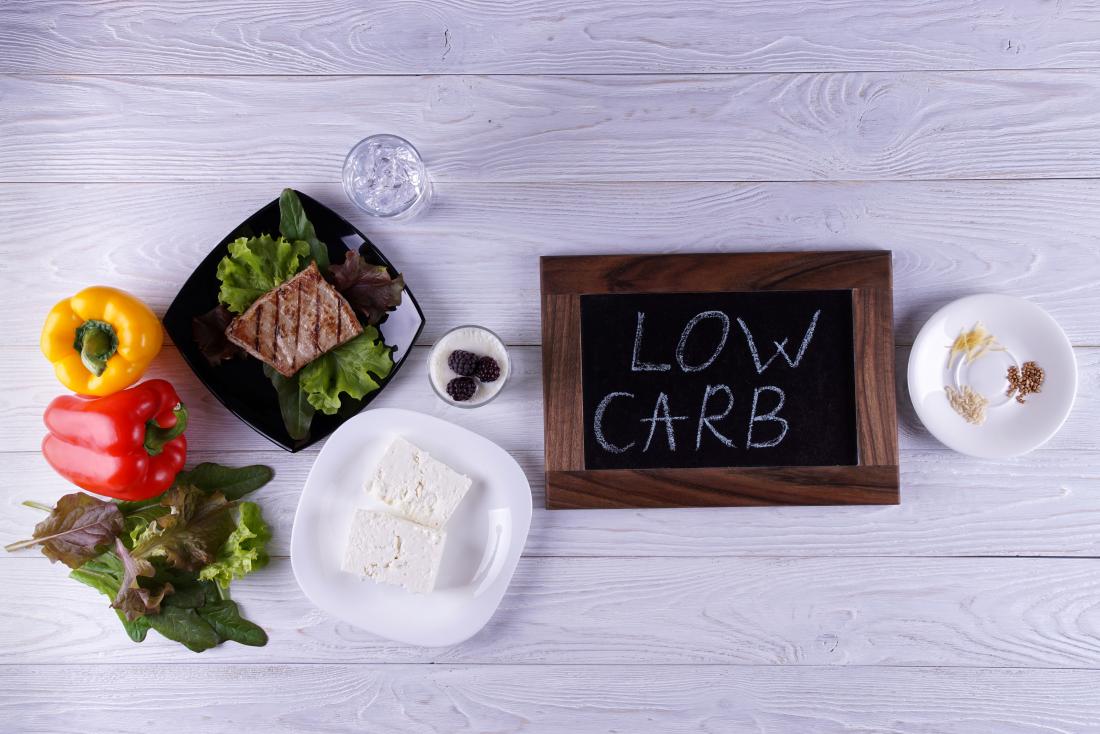
While a very low-carb diet may help you achieve some of the benefits mentioned above, it's only really likely to work for more than a few weeks if you actually enjoy the types of foods that are very low-carb (meats and oils, for example). Examples of healthy low-carb foods and no-carb diet foods include:
Organic and grass-fed beef, turkey and chicken
Pastured eggs from chicken, turkey, etc.
Fish and seafood (preferably wild-caught fish, such as salmon, haddock or trout)
Organic or unrefined coconut oil, grape seed, walnut, avocado and olive oil
Butter and lard
Hard cheese, butter, sour cream and heavy cream (choose grass-fed and organic whenever possible, ideally made from raw milk). Approved cheese products include blue cheese, cheddar cheese, goat, feta, Swiss, Parmesan and American cheese
Herbs and spices, like curry powder, cinnamon, thyme, cayenne pepper, cumin, paprika, chili powder, 5 spice powder, Dijon mustard, parsley, oregano, basil, tarragon, black pepper, garlic (whole or ground)
Non-starchy veggies, such as spinach, cauliflower, Brussels sprouts, green beans, cabbage, cabbage, canned cucumber, tomatoes, Jalapeño peppers, broccoli, bell peppers, lettuce and asparagus
Other sweeter veggies have more carbs but can still be healthy. These include tomatoes, zucchini or eggplant, squash, peppers, carrots, etc.
Water, tea and coffee
Conclusion: Most foods included on the no-carb diet are meat, fish, poultry and fats/oils. Other low-carb foods include dairy, non-starchy vegetables, herbs and spices.
Foods to Avoid
You may be wondering: what carbs should I avoid to lose weight? Just important as filling your diet with the right foods is limiting other carb-containing ingredients.
Here are some foods to eliminate as part of a no-carb diet:
All grains (including wheat, barley, oats, rice and other whole grains). This also includes all foods made with grain flour, such as bread, cakes, biscuits, chips, cereal, muffins, pasta, etc.
Sugar and foods that contain artificial or added sweeteners (honey, cane sugar, coconut sugar, etc.)
Most commercial fruits and fruit juices
Most pre-made condiments, sauces or packet mixes
Most dairy products that contain milk, yogurt, ricotta or cottage cheese. Higher-fat, low-carb cheeses are allowed because they have very little carbs
Alcohol, soda and other sweetened drinks
For the sake of keeping synthetic ingredients out of your diet, you may also want to avoid "diet"or light foods that have reduced fat and artificial ingredients. To make up for lost fat, these products are usually made with extra thickeners, emulsifiers or artificial sweeteners.
Although they are not high in carbs, you should also avoid foods made with trans fats or hydrogenated oils, which include most junk foods or fast/fried foods.
Conclusion: Grains, sugars, fruits, juices, condiments, dairy products and carb-containing drinks should all be eliminated on a no-carb diet.
Short-Term Benefits
What kind of results can you expect when eating a very low-carb/no-carb diet? Although not every person reacts to ketosis or a no-carb diet positively, research shows that for those who make good candidates, the following health benefits may be experienced:
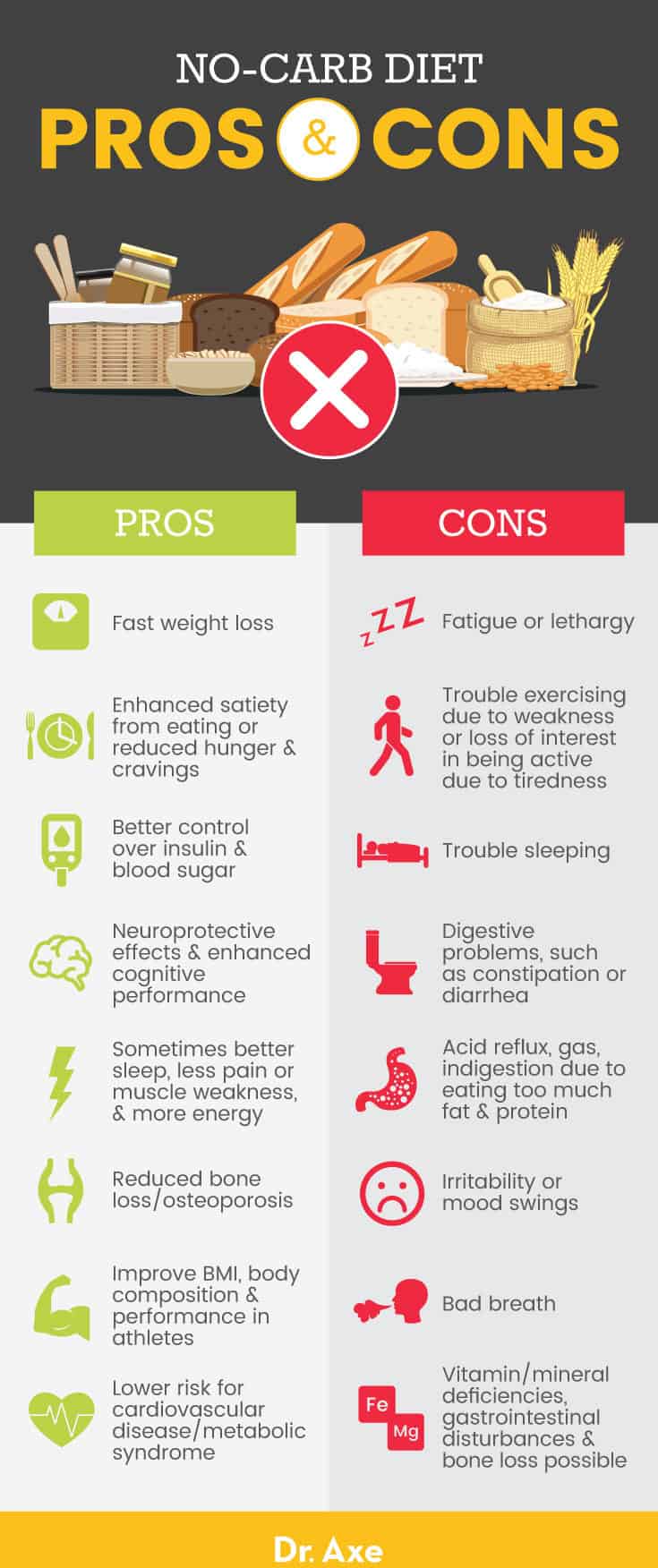
Fast weight loss
Enhanced satiety from eating or reduced hunger and cravings (especially for sweets)
Better control over insulin and blood sugar (glucose) spikes. This can be especially beneficial for prediabetics or diabetics, although low-carb diets aren't the only way to reduce diabetes risk factors
Neuroprotective effects and enhanced cognitive performance, including less brain fog or dips in energy, improved memory in the elderly, and reduced symptoms of epilepsy
Sometimes better sleep, less pain or muscle weakness, and more energy overall
Reduced bone loss or osteoporosis
In athletes, possible favorable changes in body mass and body composition, along with increase in the relative values of maximal oxygen uptake (VO2max) and oxygen uptake at lactate threshold (VO2 LT)
In some cases, lower risk for cardiovascular disease or metabolic syndrome, including normalizing factors like blood sugar or unhealthy cholesterol levels
Weight loss, sometimes even substantial reductions in body fat, are very common when eating a very low-carb diet. The reason this happens is due to the effects of reducing glucose, as described above.
Once glucose from carbohydrate foods is no longer available for energy, the body will use stored body fat instead, or fat and protein consumed from foods.
Removing foods like fruits, starchy veggies, pasta and bread from your diet will also cause your body to release less insulin, helping balance blood sugar levels reduce risk for diabetes. While this is very helpful, it's not the only way to shed extra weight or improve things like blood sugar and cholesterol.
Research shows that almost any diet that helps you reach a healthier body weight can reduce or even reverse risk factors for cardiovascular disease/metabolic syndrome. Remember that the diet type of diet for you is the one you can actually stick with.
Related: What Is the Pegan Diet? Benefits, Downsides & How to Follow It
No-Carb Diet Plan and Sample Menu
So what can you eat on a no-carb diet? If you do decide to follow a no-carb diet plan, you will be eating meat and fat/oil for all three meals as well as any keto snacks.
It may be a good idea to gradually decrease your carb intake instead of quitting carbs cold turkey.
Here's what a typical no-carb diet menu may look like, plus some easy low-carb diet recipes that you can try out as well:
Day One
Breakfast: Scrambled eggs cooked in olive oil
Lunch:Seared salmon with butter
Dinner: Herbed turkey breast
Snacks: Jerky
Day Two
Breakfast:Turkey bacon cooked in coconut oil with keto coffee
Lunch: Grilled sardines
Dinner: Garlic butter steak
Snacks: Pepperoni slices
Day Three
Breakfast: Hard-boiled eggs
Lunch: Baked chicken breast with bone broth
Dinner: Garlic lamb roast
Snacks:Turkey slices
Conclusion: Because carbs are eliminated on this restrictive diet plan, a typical no-carb diet menu is generally made up of meat, fats and oils.
Risks and Side Effects
While a no-carb diet plan may come with some benefits to health, keep in mind that you can get these same benefits through a low-carb or ketogenic diet instead. Not only are these diets easier to follow, but they are also far less restrictive and associated with less risks and low carb diet side effects.
Is a no-carb diet dangerous? Because no-carb diet plans eliminate virtually all sources of carbs, including healthy carbs, there is a much higher risk of nutrient deficiencies.
Whole grains, for instance, provide B vitamins, magnesium and vitamin E, while fruits and vegetables contain a wide array of vitamins and minerals not found in meats or fats.
It's also important to make sure you're meeting your calorie needs on this plan. Severe calorie deprivation can lead to symptoms like fatigue, low blood sugar and muscle wasting.
Excessively high protein intake could also worsen kidney function in those with kidney disease. Because a no-carb diet is very high in protein, it is not recommended for individuals with impaired kidney function.
Furthermore, this diet is difficult to sustain and following a no-carbs diet plan for 2 weeks or more can become dangerous due to the risk of long-term side effects. Those with certain health conditions like diabetes should consult with their doctors before going on a low-carb or no-carb diet as it may affect dosages for medications like insulin.
Below are some of the potential dangers or symptoms that may be caused by greatly reducing carbs in your diet:
Fatigue or lethargy
Trouble exercising due to weakness or loss of interest in being active due to feeling tired
Difficulty sleeping
Digestive problems, such as constipation or diarrhea (usually due to low fiber intake)
Acid reflux
Gas
Indigestion
Irritability or mood swings (which can occur when reducing carb intake, which impacts serotonin levels)
Bad breath
Vitamin or mineral deficiencies
Bone loss
Check with your doctor or health care provider before starting any very low-carb diet, especially if you have any health conditions that require monitoring and medications, such as diabetes or heart disease. And as always, listen to your body, and if you experience any negative side effects, talk to your doctor immediately and consider increasing carbohydrate intake.
Conclusion: No-carb diets are very restrictive, difficult to sustain and could increase your risk of nutritional deficiencies. Low-carb or ketogenic diets are better alternatives that are safer, more effective and less likely to result in significant side effects.
Related: Low-Carb, High-Fat Diet vs. Low-Fat Diet: Which Helps You Live Longer?
Final Thoughts
A no-carb, no-sugar diet focuses on eliminating all carb-containing foods from the diet, which is thought to help increase weight loss and fat-burning.
Ingredients permitted on the no-carb diet food list include meat, fish, poultry and healthy fats. Other low-carb foods that may be allowed include non-starchy vegetables, hard cheeses and eggs.
Meanwhile, foods that are not permitted as part of the no-carb diet list include grains, sugar, fruits, starchy vegetables, pre-made condiments, dairy products and alcohol.
The diet is highly restrictive, which can increase the risk of nutritional deficiencies and other adverse side effects. It's also difficult to follow long-term as most meals will be made up solely of meats and oils, and there are limited no-carb diet recipes available online.
Instead, consider trying a low-carb or ketogenic diet, both of which can achieve the same results, but without the negative side effects associated with this incredibly restrictive eating pattern.
Because breakfast foods are the first thing you put into your body, you might feel pressure to pick the right ones and ensure that your mind and body are ready to take on the day. That sugary granola bar or preservative-packed cereal might seem quick and energy-boosting, but those carb-heavy indulgences will have a long-term effect on your body. So kick them to the curb, and try these quick low carb breakfast recipes, which cut back on the carbs without sacrificing flavor. They have a variety of superfoods that will leave you feeling full but looking slim, thanks to satiating fiber.
So read on, and for more ways to keep it healthy, try our list of 21 Best Healthy Cooking Hacks of All Time.
Jason Donnelly
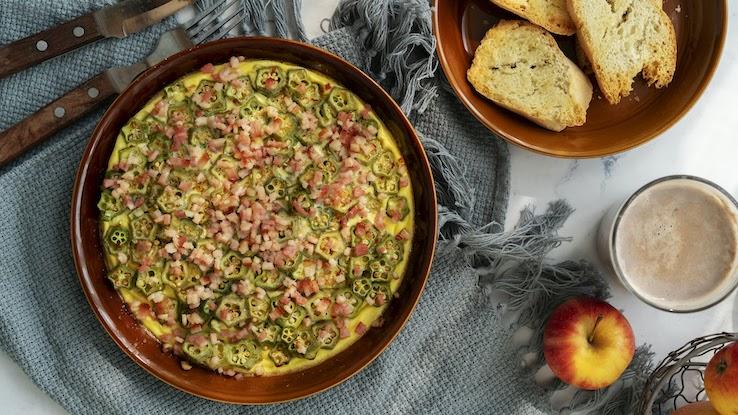
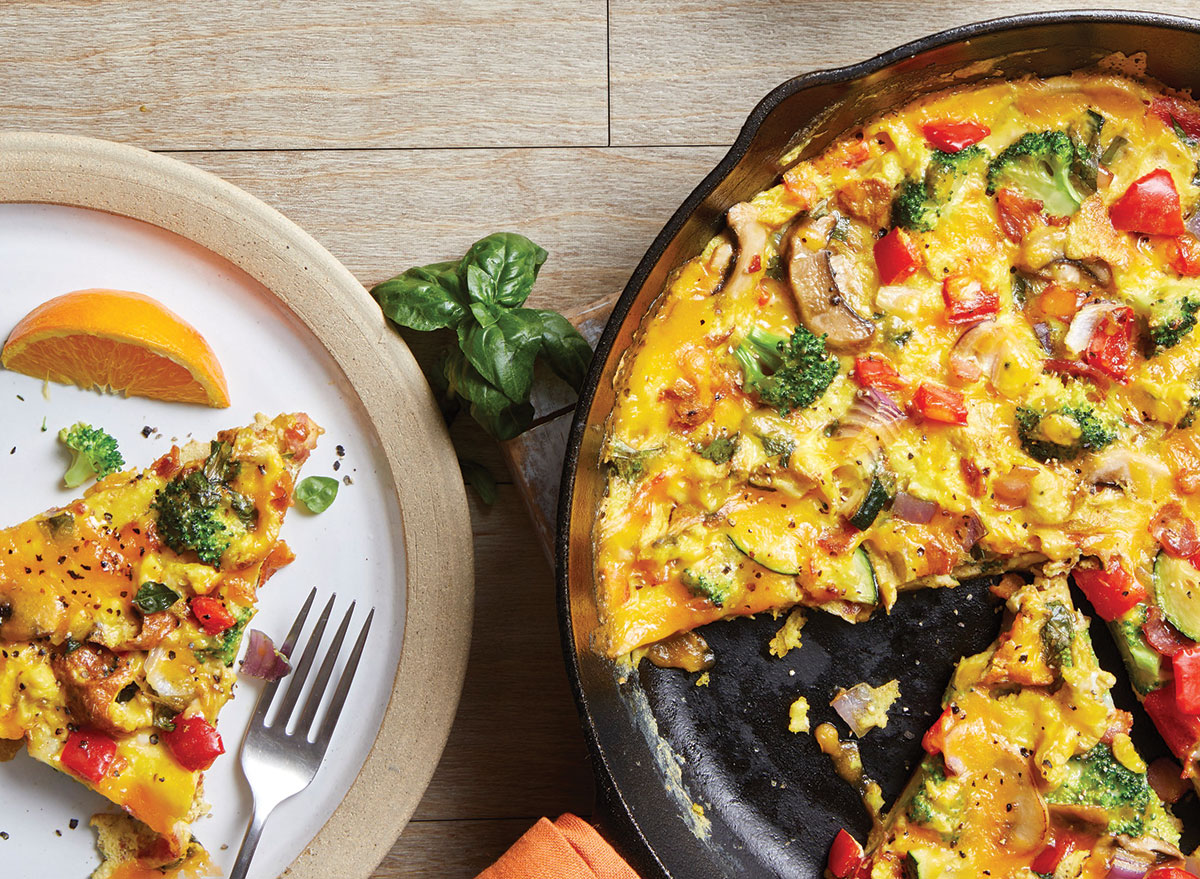
Eggs are nutritional powerhouses, plain and simple. But if you're getting bored of your typical hard-boiled eggs, this frittata recipe will help you spice things up. It's loaded with bacon and all kinds of veggies, plus a little cheese, salt, and pepper for maximum flavor. Plus, it's a low carb breakfast!
Get our recipe for Loaded Vegetable Frittata.
Waterbury Publications, Inc.
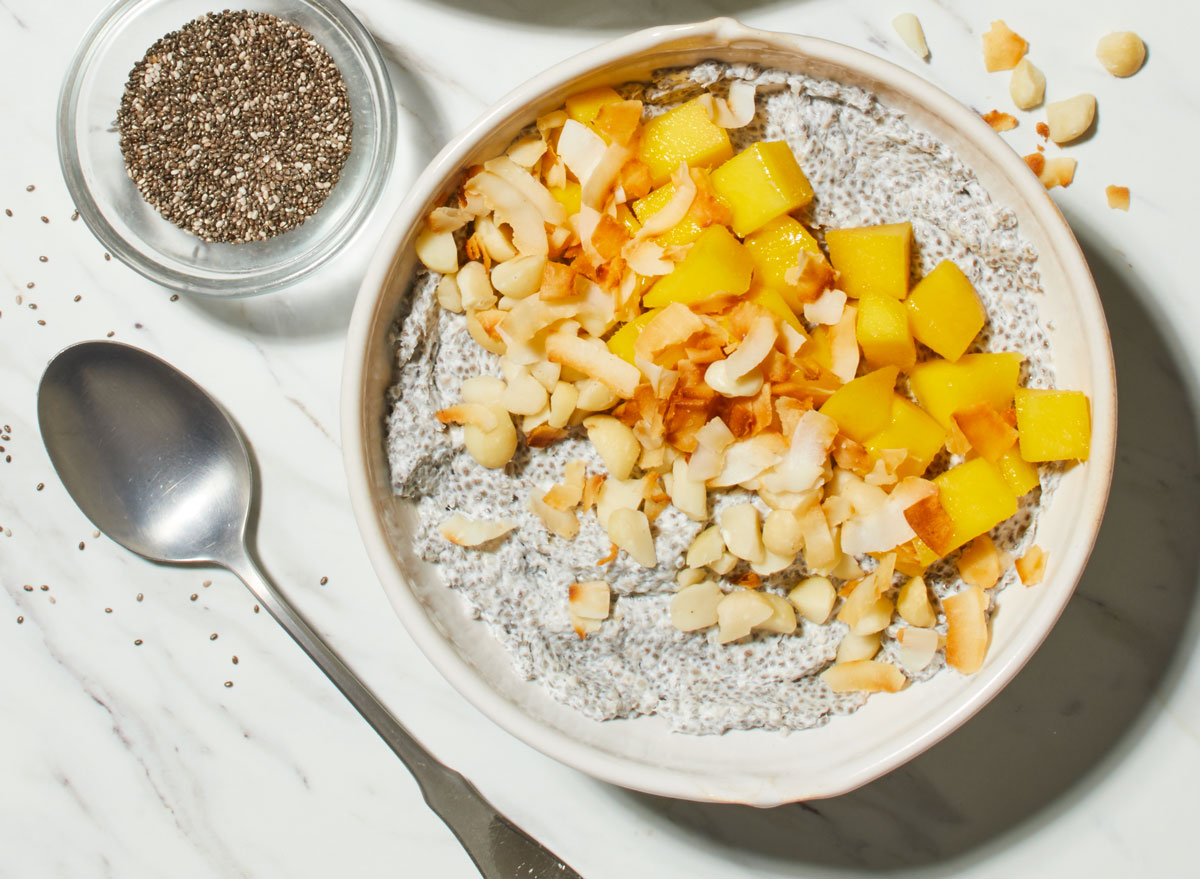
There are actually a lot of chia seed health benefits if you add them into your diet on a regular basis. Chia seeds are full of fiber, as well as omega-3s. There are 10 grams of fiber per ounce. This overnight chia pudding can actually help you to feel full and satisfied in the morning until your next meal at lunch. There's also a lot of water content in chia seeds, making it a great way to get that extra boost of hydration in the morning.
Get our recipe for Overnight Chia Pudding.
Lauren Volo Photography
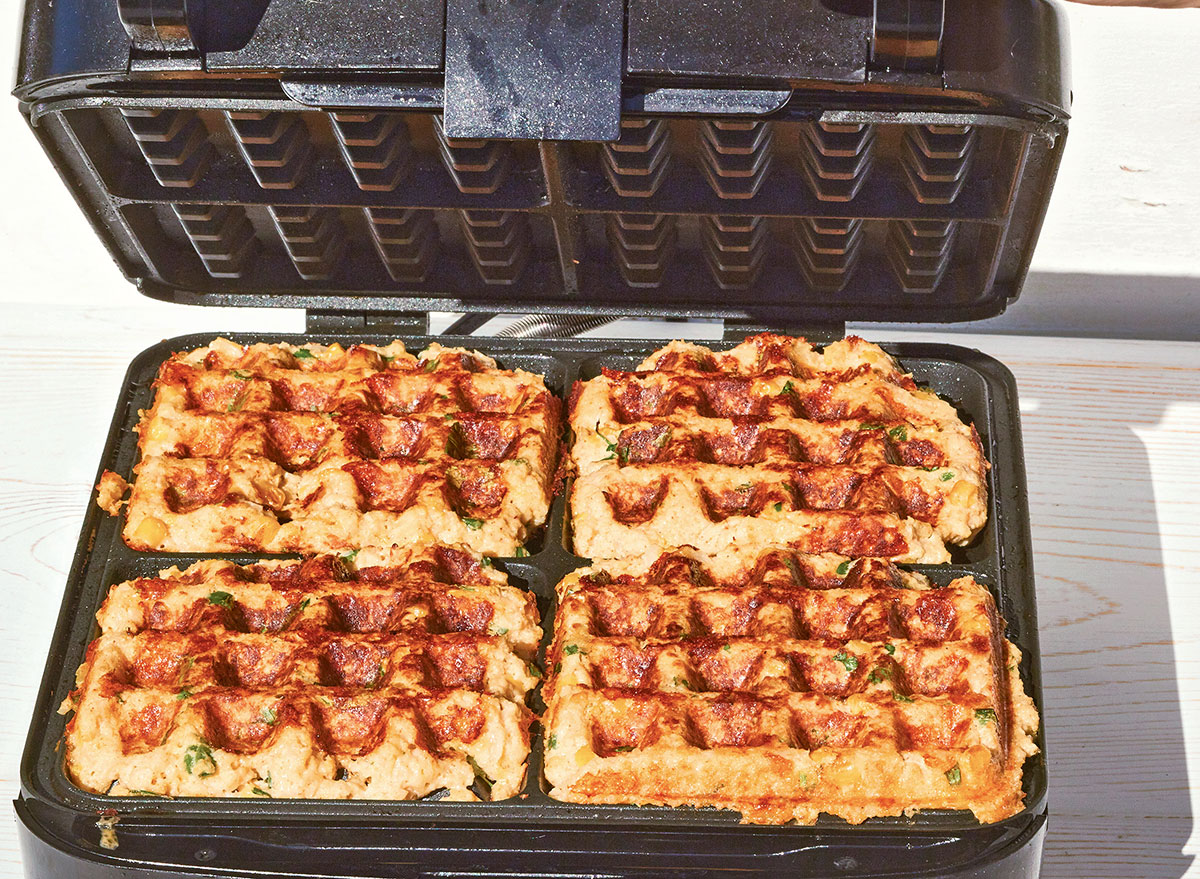
Think of these cauliflower hash browns as a flavorful and nutritious vehicle to load up with your favorite breakfast foods. Use them as a base for some sliced avocado, bacon, and a sunny-side-up egg. Or, add a second hash brown on top for a breakfast sandwich.
Get our recipe for Spicy Waffled Cauliflower Hash Browns.
Carlene Thomas/Eat This, Not That!
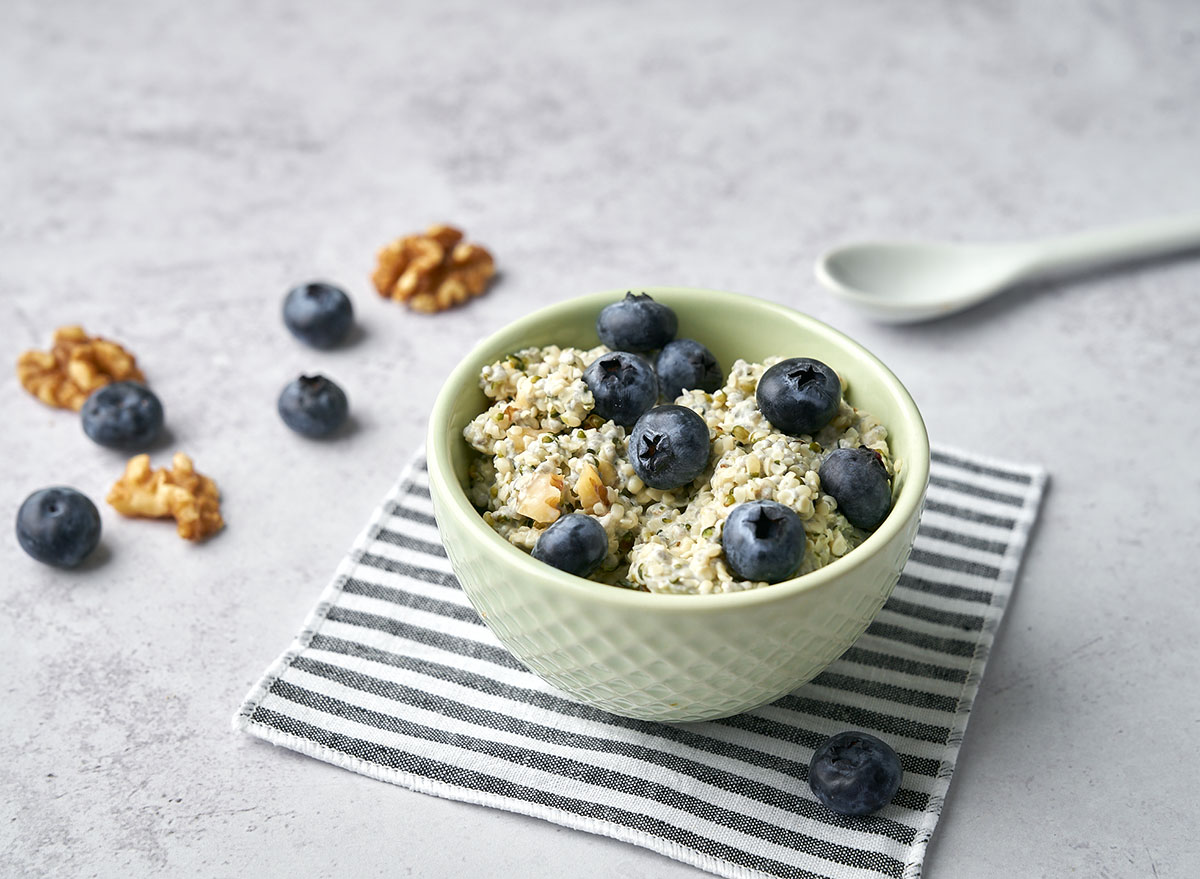
For an added nutrition and texture boost, we added chopped walnuts and chia seeds which both contain healthy omega 3 fatty acids. To keep it low carb, soak your "oats" in heavy cream or canned full fat coconut milk. Sweeten with Stevia or xylitol which are both low carb and have a low glycemic index.
Get our recipe for Overnight Oats with Berries and Cream.
Courtesy of Tone It Up
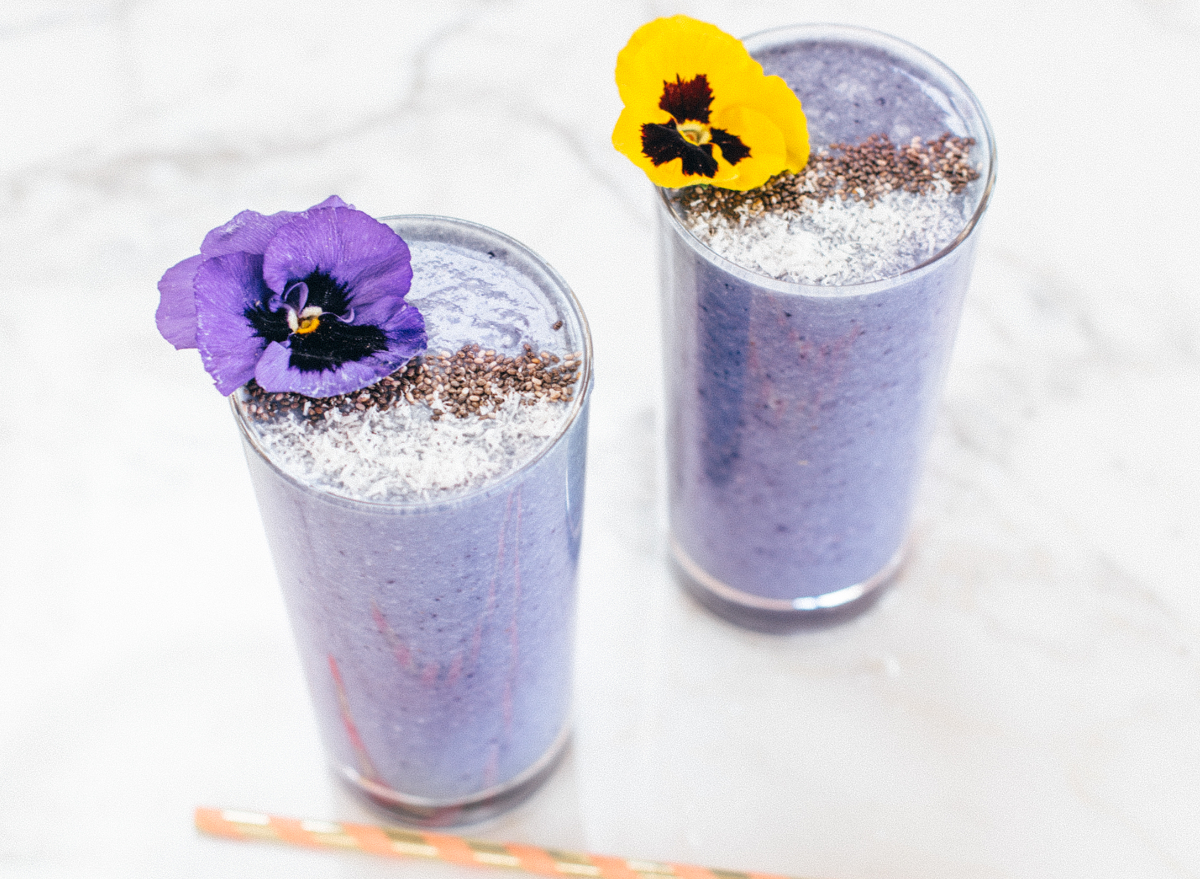
There are a few ways you can make a smoothie creamier. You can add Greek yogurt, banana, or even avocado to give it that creamy texture we all desire in a smoothie. But what if you're trying to keep your fat and carb count low? Bring in the cauliflower! Cauliflower will give your smoothie a nutrient boost and will make it naturally creamier—without totally skyrocketing the calories in your cup.
Get our recipe for Berry Cauliflower Smoothie.
Mitch Mandel and Thomas MacDonald
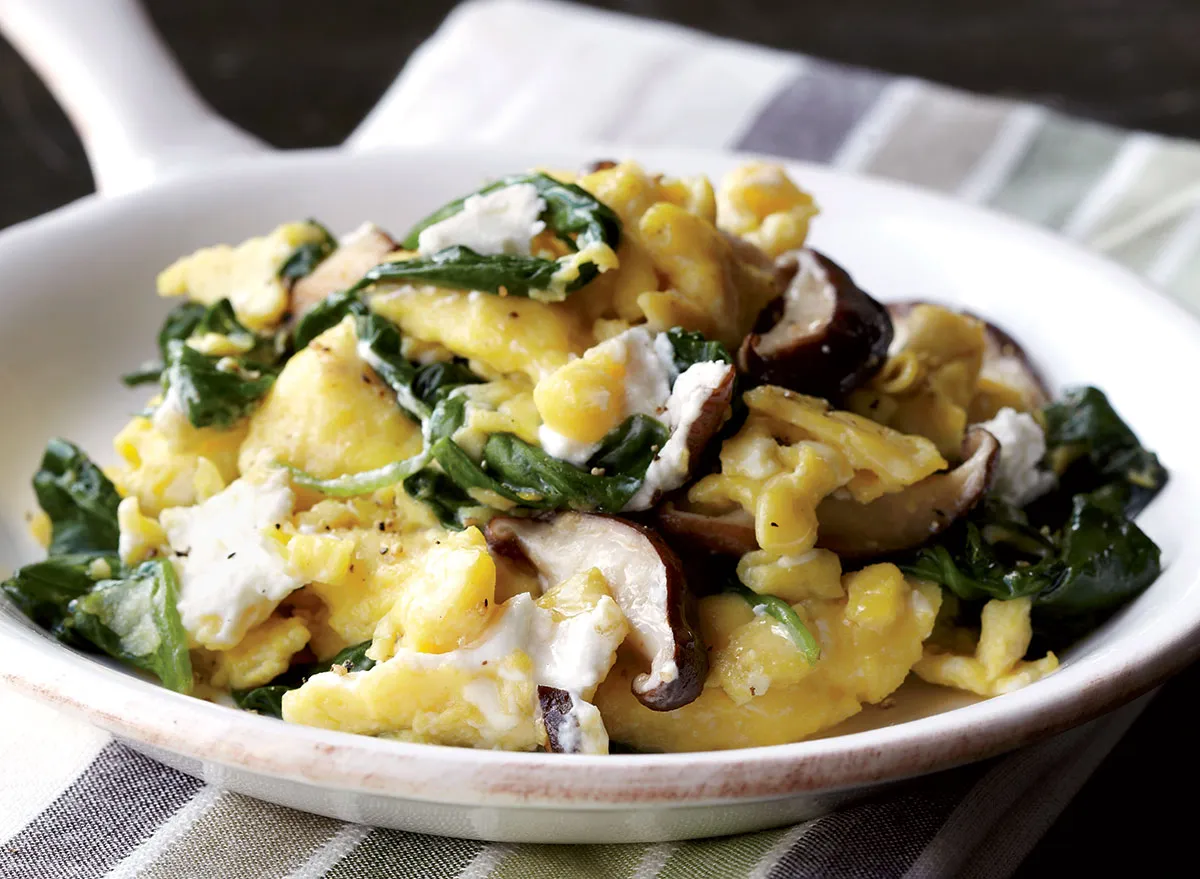
For soft, extra-creamy scrambled eggs, make sure to turn the heat down and stir the eggs constantly and on a low heat so as to make sure they don't burn. This veggie scramble is a great meal, so healthy and filling and low carb.
Get our recipe for Veggie Scramble with Mushrooms, Spinach and Goat Cheese.
Mitch Mandel and Thomas MacDonald
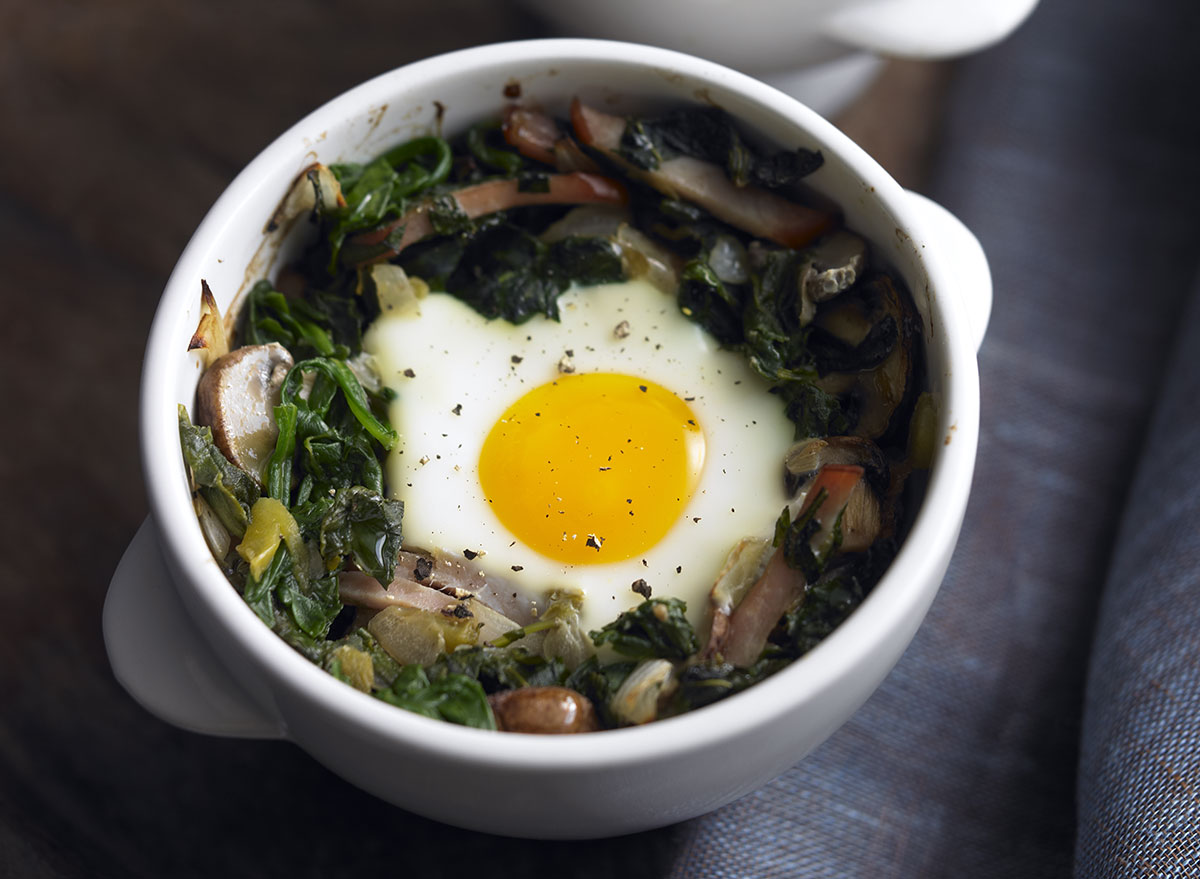
Looking for some excitement in your weekday breakfast routine? Then ditch the cereal, drop the frozen waffles, and, for goodness sake, put down that bagel! Instead, pick up a ramekin and preheat the oven. The little ceramic vessels are perfect for housing eggs, meat, cheese, and vegetables and then tossing in the oven.
Get our recipe for 10-Minute Baked Eggs with Mushrooms and Spinach.
Carlene Thomas/Eat This, Not That!
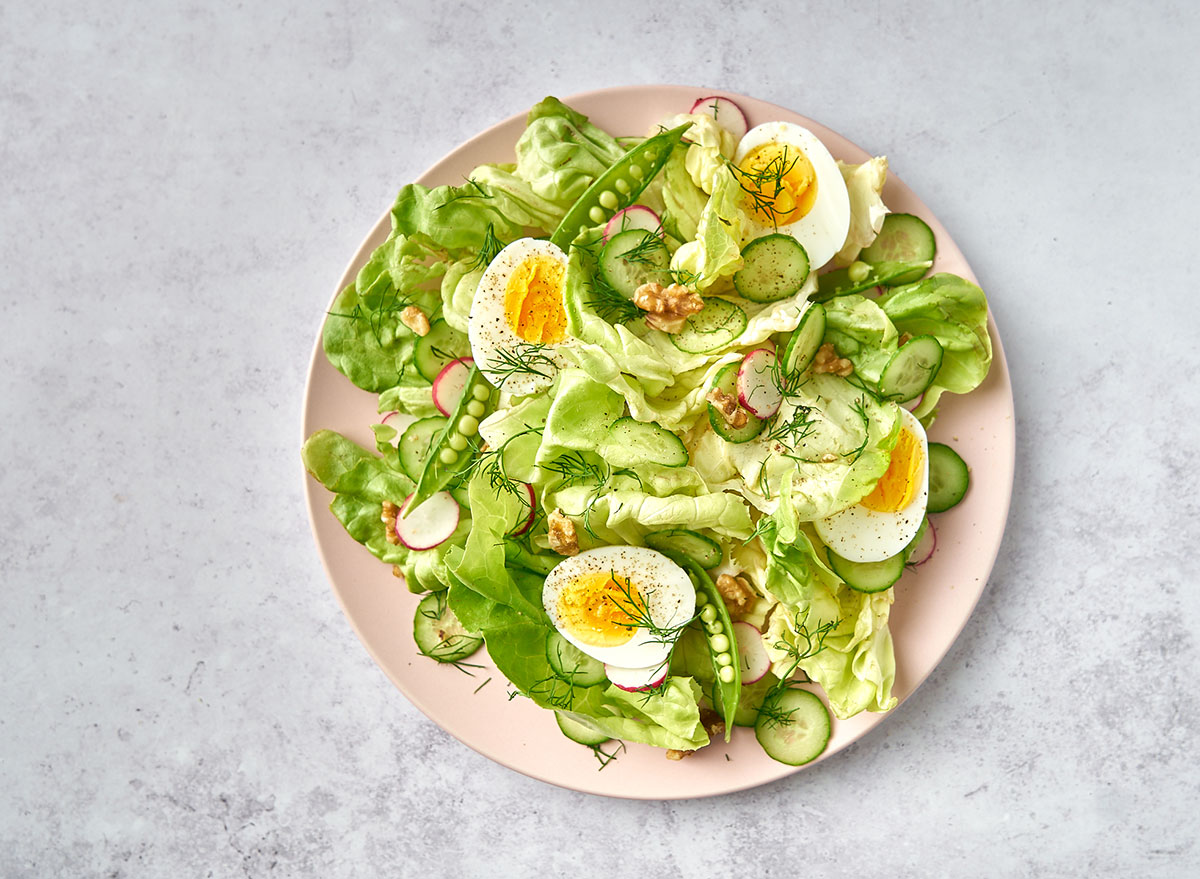
Smoothies aren't the only way to eat your greens for breakfast. A delicious morning salad can be a blank slate for eating seasonally—using heartier greens or heirloom varieties depending on what is available. This breakfast salad has a crispy texture thanks to snap peas, radishes, and cucumbers, and adding walnuts is a great way to add healthy fats to your breakfast and curb cravings later in the day.
Get our recipe for Crunchy Breakfast Salad with Eggs.
Carlene Thomas/Eat This, Not That!
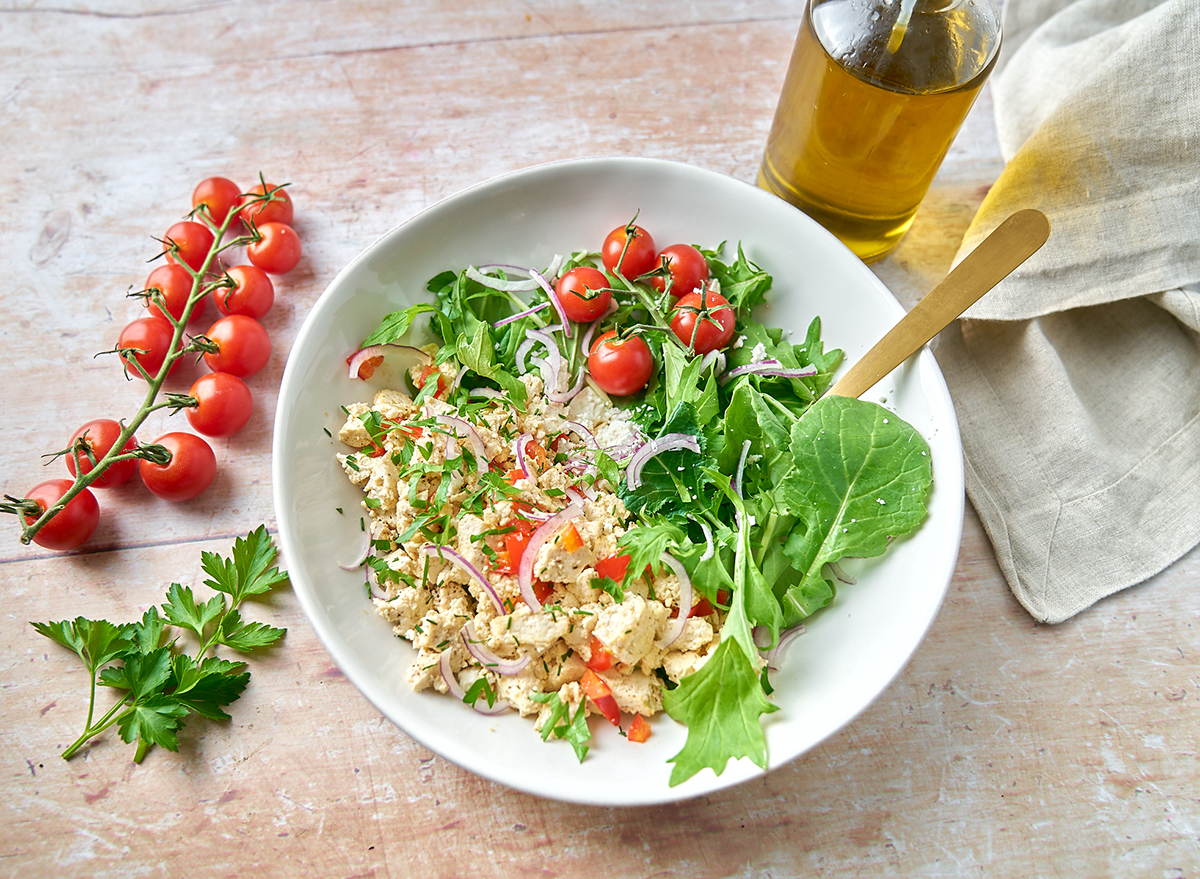
This quick scramble is packed with Mediterranean flavors from bell peppers, feta, parsley, and tomatoes, but if you're looking for an extra flavor boost, try adding sun-dried tomatoes in oil, capers, or even olives.
Get our recipe for 10-Minute Mediterranean Tofu Scramble.
Posie Brien/Eat This, Not That!
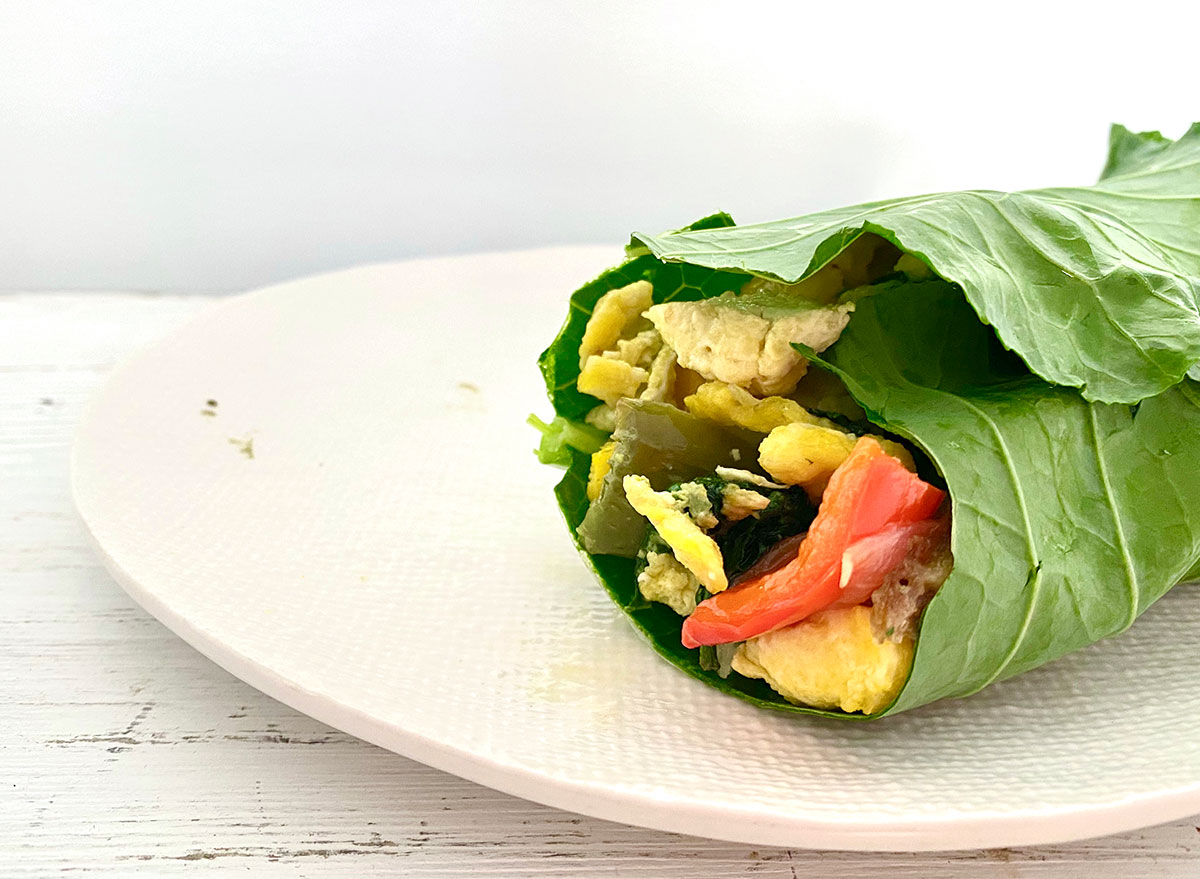
Here, we swap out the tortilla for collard greens, using them to wrap a savory, hot filling of potatoes, peppers, and scrambled eggs. With so many filling vegetables and eggs inside this low carb breakfast burrito, you won't even miss having the tortilla.
Get our recipe for a Breakfast Burrito.
Posie Brien/Eat This, Not That!
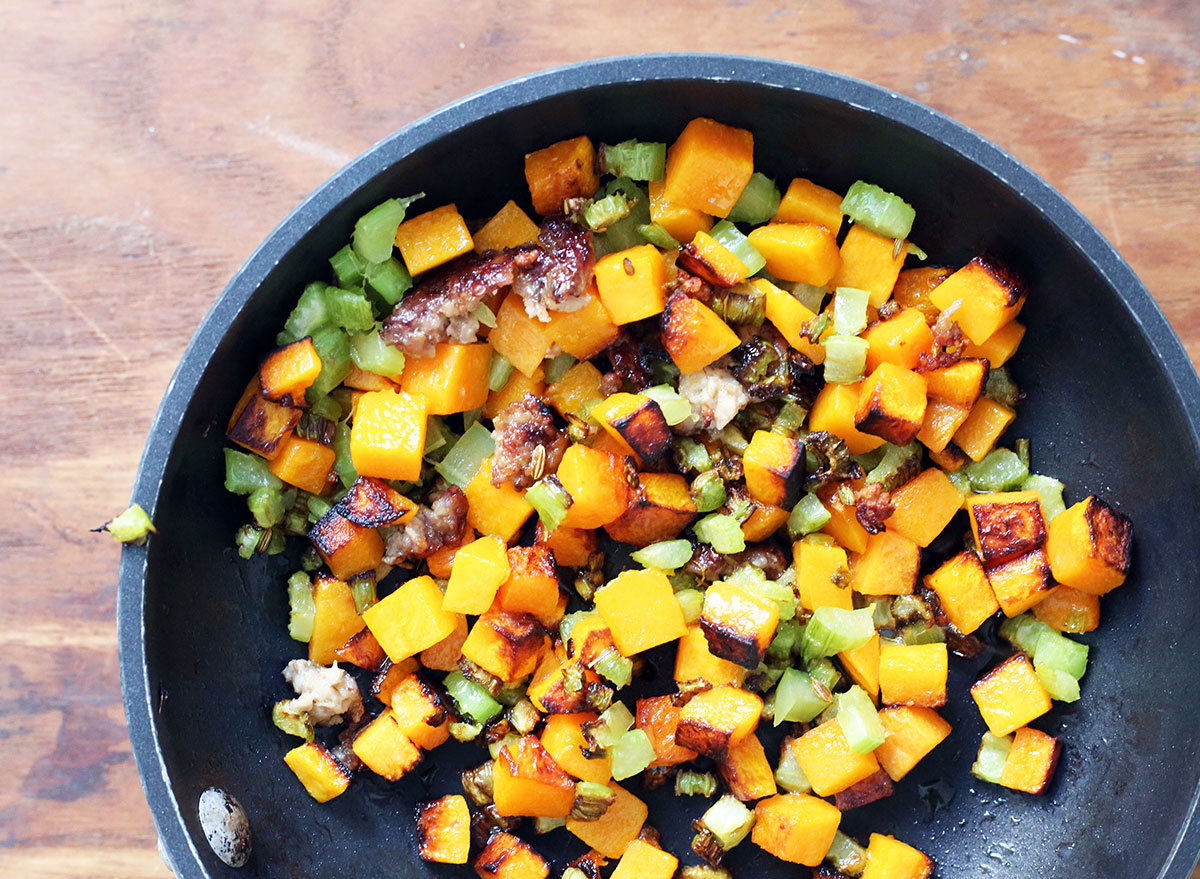
Crunchy, salty, and golden brown, this butternut squash hash is just as good for dinner or lunch as it is for breakfast. Sausage makes it filling enough to start your day, but you can also top it with a fried or poached egg if you want even more protein and heft to the meal. Don't skip the fennel and tarragon—both brighten up the dish considerably with herby flavor.
Get our recipe for a Butternut Squash Hash.
Posie Brien/Eat This, Not That!
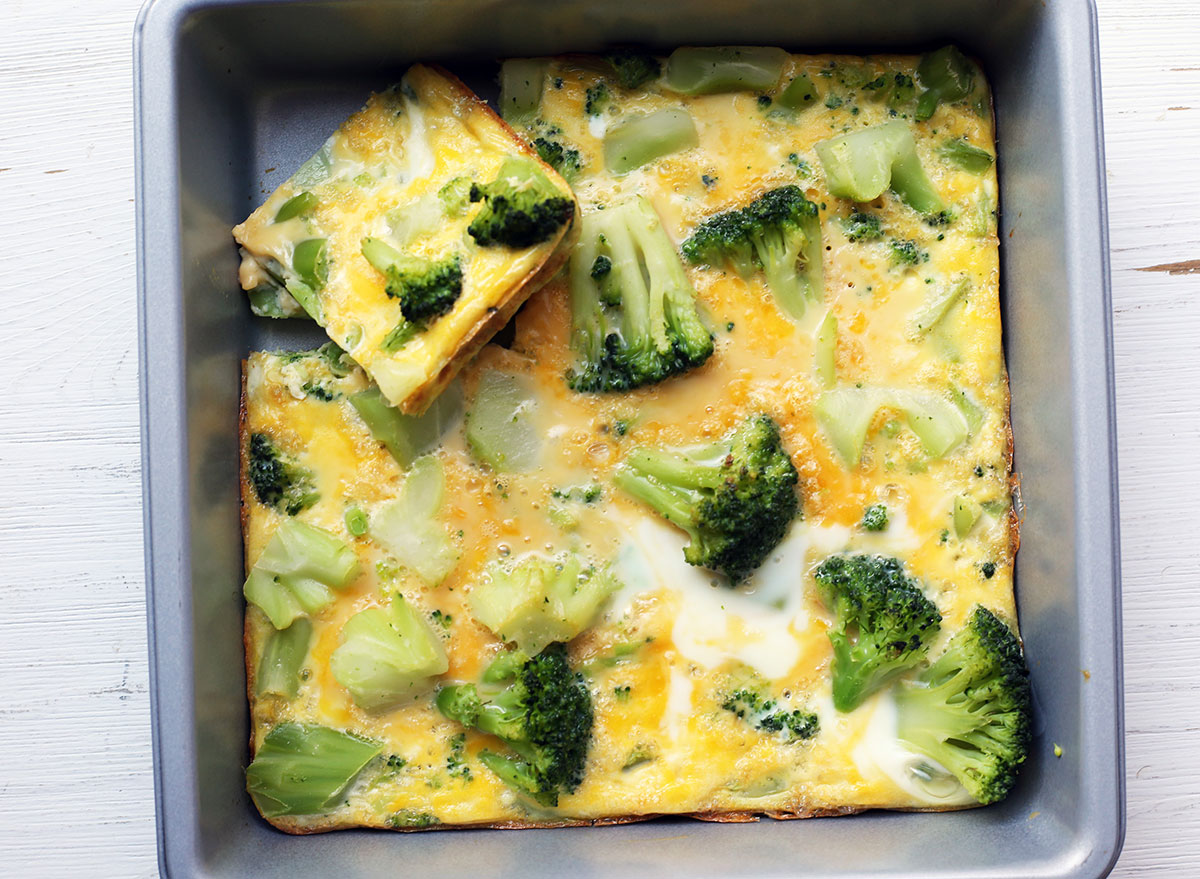
Switch things up with this easy frittata-like low carb veggie casserole. It also happens to be wildly easy to make, requiring you to simply saute your favorite green vegetables then cover them in an egg and coconut milk mixture. The entire pan is baked, so you can go about your morning while breakfast is being prepped!
Get our recipe for the Green Machine Veggie Casserole.
Posie Brien/Eat This, Not That!
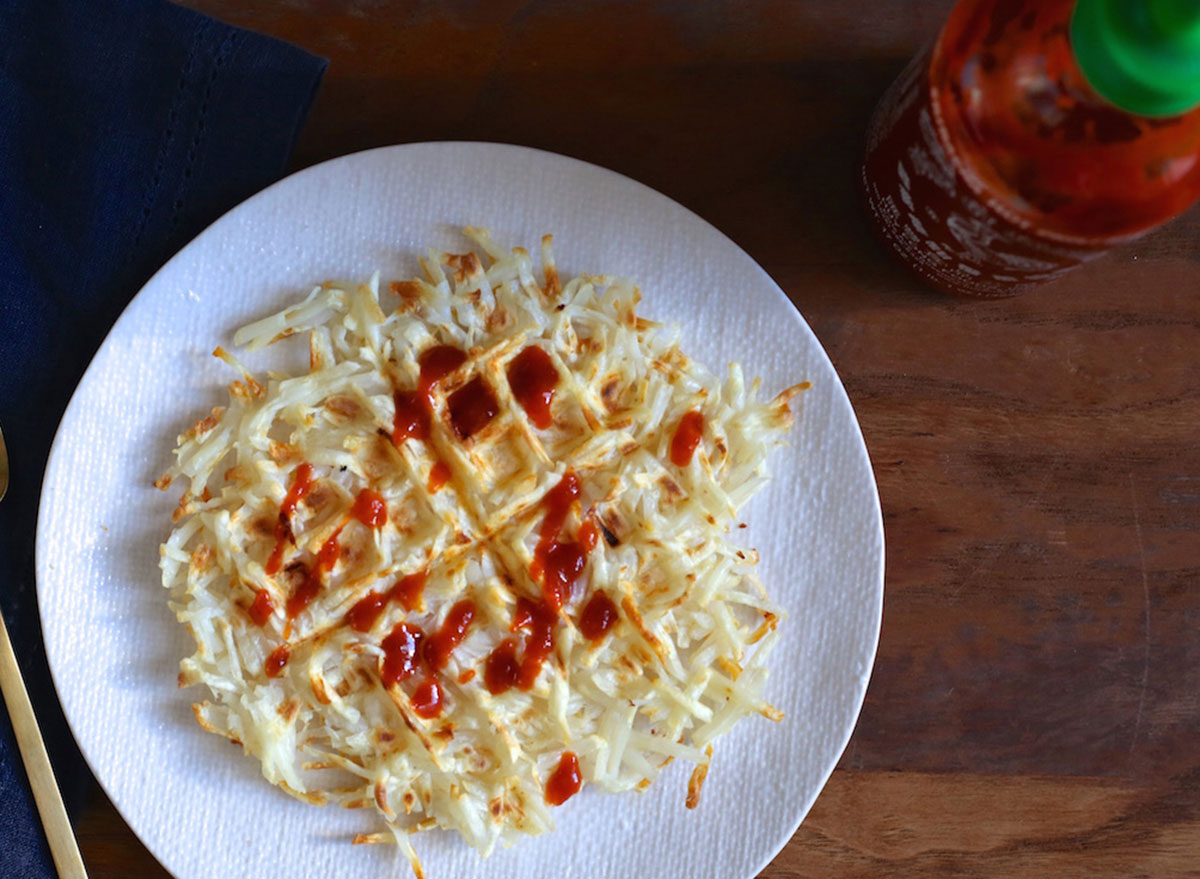
There are many unexpected things you can "waffle" and turn into a crispy round breakfast food. This version uses parsnips for their mild flavor and firm texture, but you can use other root and cruciferous vegetables, too, like sweet potatoes, carrots, and even cauliflower.
Get our recipe for Savory Parsnip Waffles.
Posie Brien/Eat This, Not That!
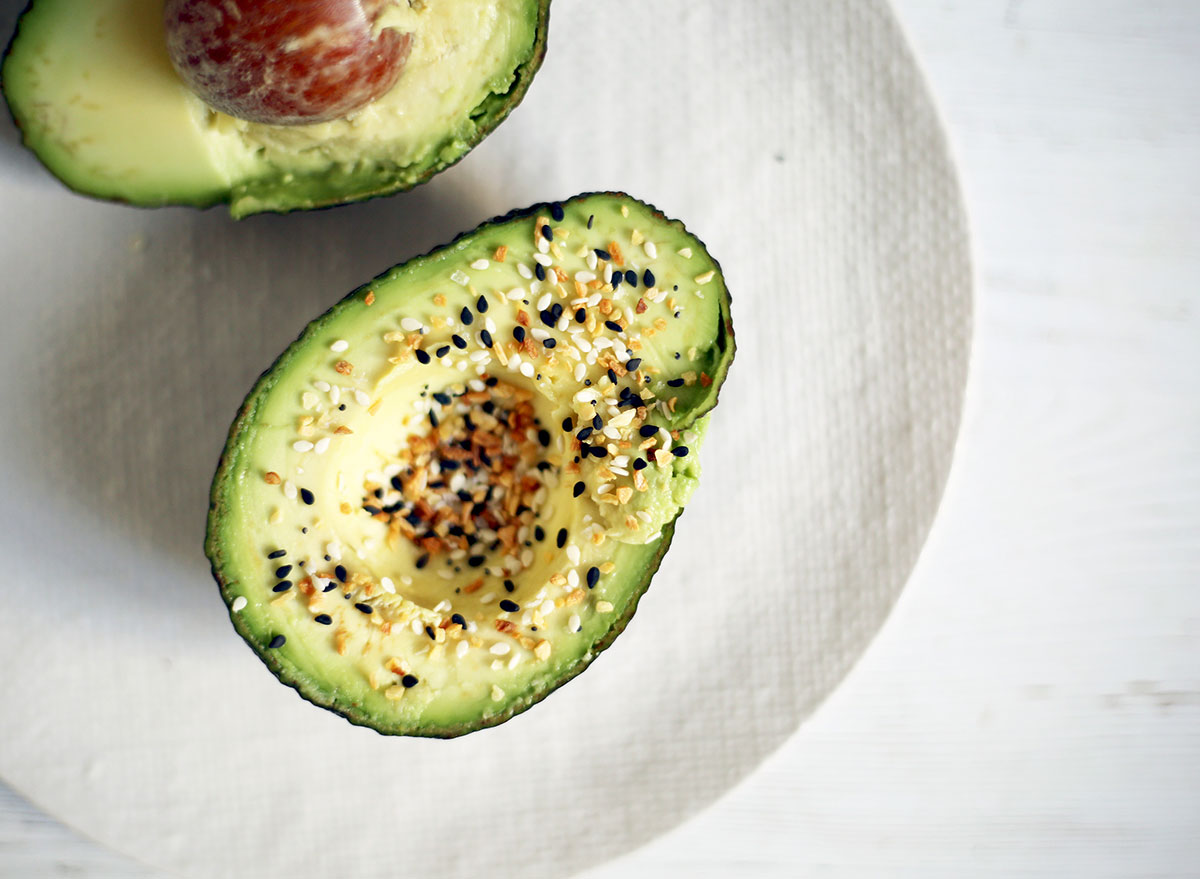
This breakfast recipe uses the signature flavor of everything bagel seasoning and the zest of a lemon to add flavor to one of the most perfect fats out there: avocado. Along with some olive oil, which adds even more good fat to your plate, this truly is the high-fat breakfast of your low carb dreams.
Get our recipe for an Avocado with Everything Bagel Seasoning.
Waterbury Publications, Inc.
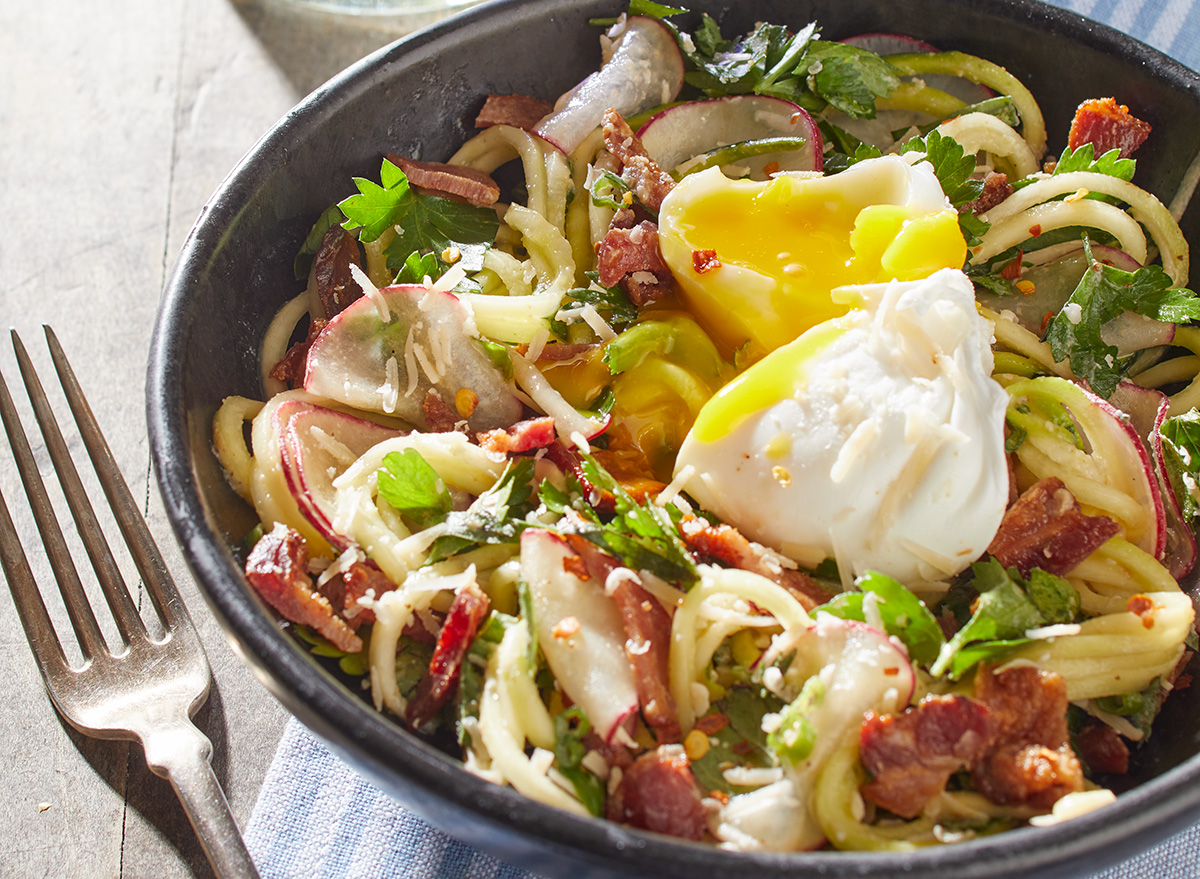
This low carb breakfast recipe gives us major pasta-for-breakfast vibes (which is something you can definitely do). Creamy from the poached egg, peppery from the radish slivers, and bacony from the, well, bacon, it's a symphony of flavors similar to those in spaghetti carbonara. Rendered bacon fat gets a splash of sherry vinegar and some mustard to create the perfect low carb sauce base for tossing zucchini noodles.
Get our recipe for Zucchini Noodles with Bacon Vinaigrette.
Courtesy of Waterbury Publications, Inc.
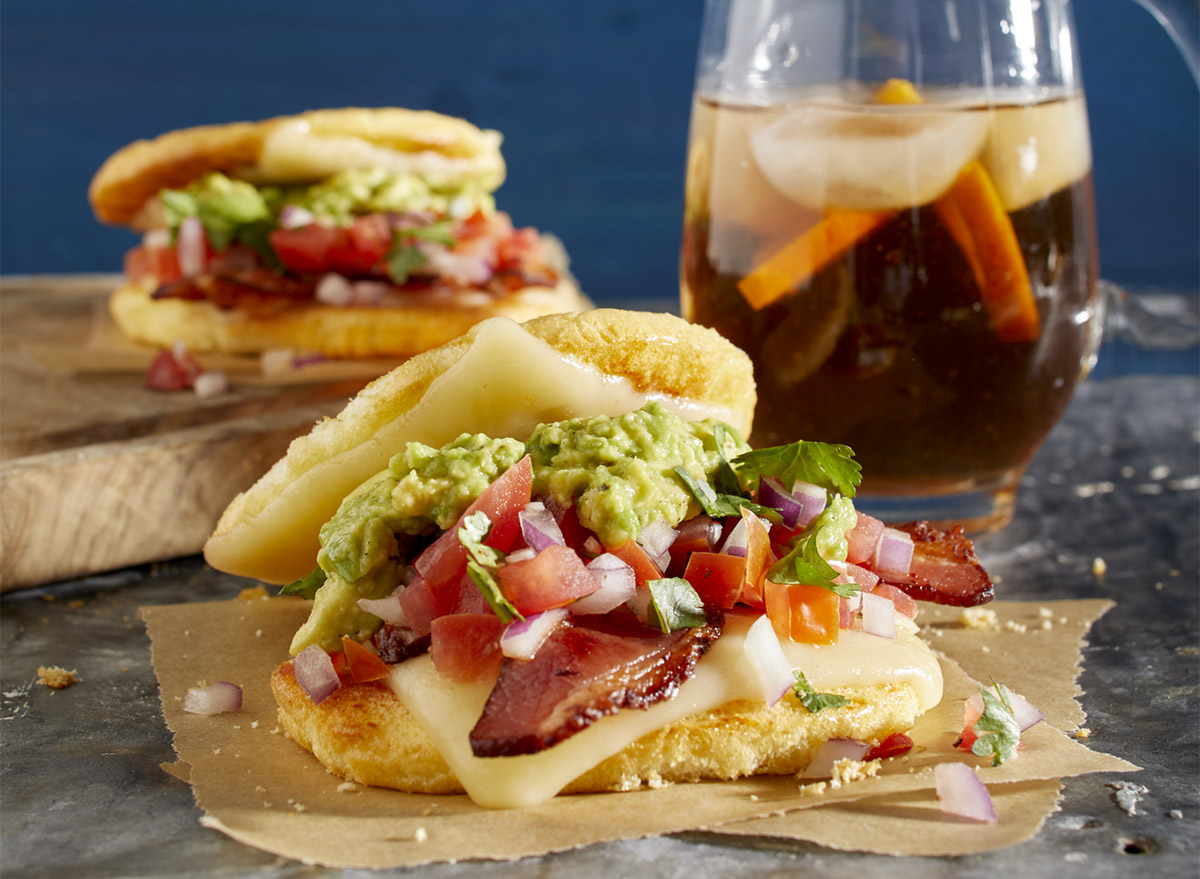
Cloud bread, the lighter-than-air bread used in this low carb sandwich, is the perfect low-carb bread substitute for when you need a delicious, comforting slice. Layer it with melty Jack cheese, crispy bacon, pico de gallo, and guacamole for an indulgent low carb breakfast.
Get our recipe for a Keto Breakfast Sandwich.
Waterbury Publications, Inc.
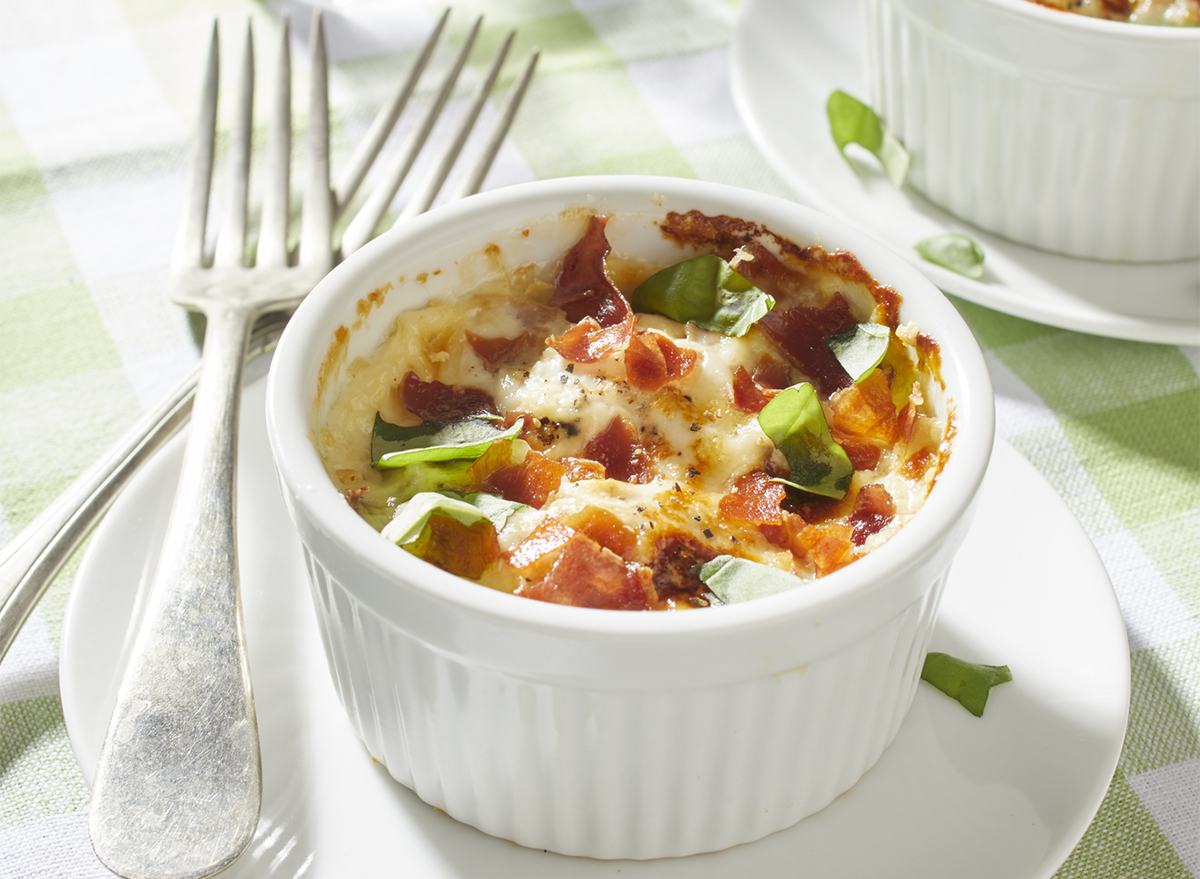
Here, we have a low carb eggs recipe that brings a ton of flavor and goes beyond a basic scramble. This dish features butter, heavy cream, cheese, eggs, and prosciutto. Can you think of anything more appropriate for a low carb breakfast?
Get our recipe for Eggs Baked in Cream with Proscuitto, Parmesan, and Basil.
Waterbury Publications, Inc.
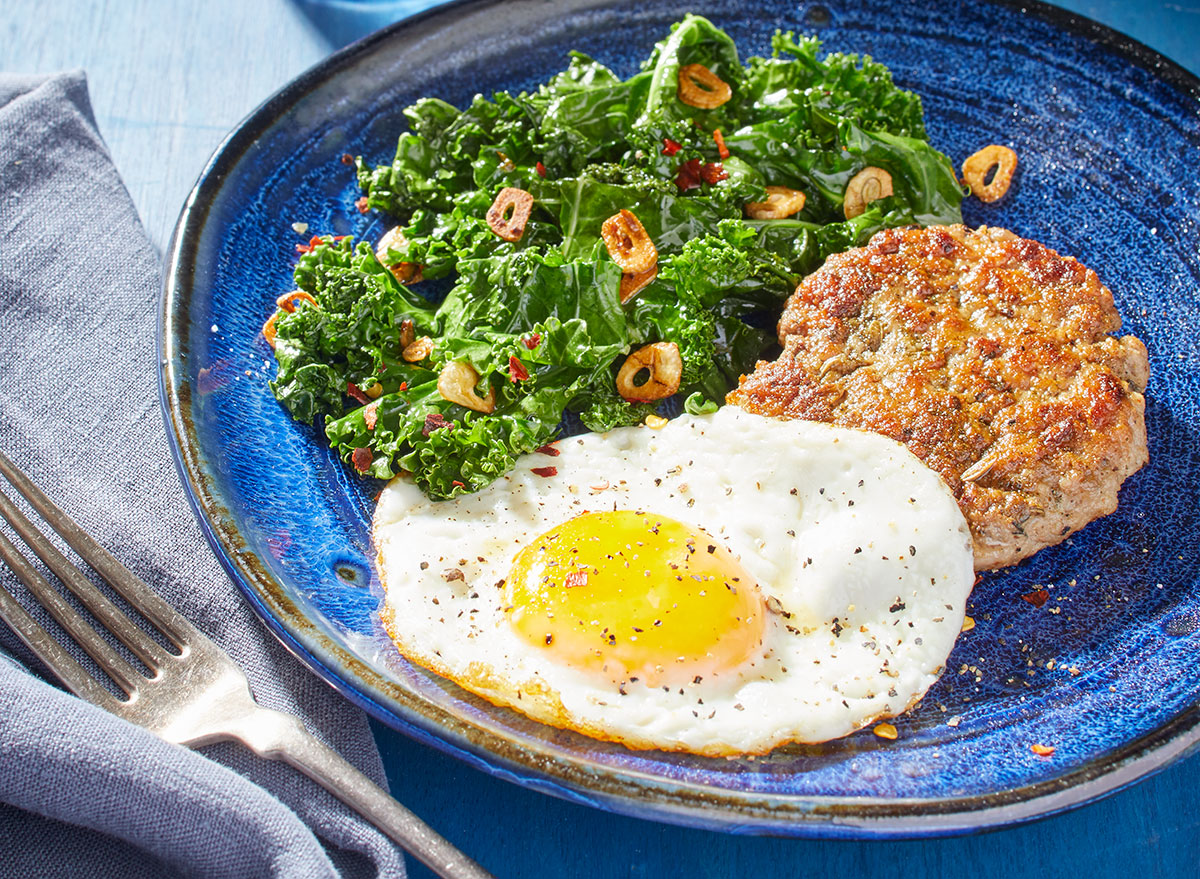
When carbs reign king in terms of easy breakfast options, finding filling breakfasts that fit a low carb diet can be rather difficult, which is why this particular low carb breakfast recipe is the perfect plate to have you feeling full and ready for your day! It's full of protein and healthy nutrients that will have you feeling satisfied until lunch—or even beyond!
Get our recipe for Frizzled Eggs and Sausage with Sautéed Greens.
Rebecca Firkser/Eat This, Not That!
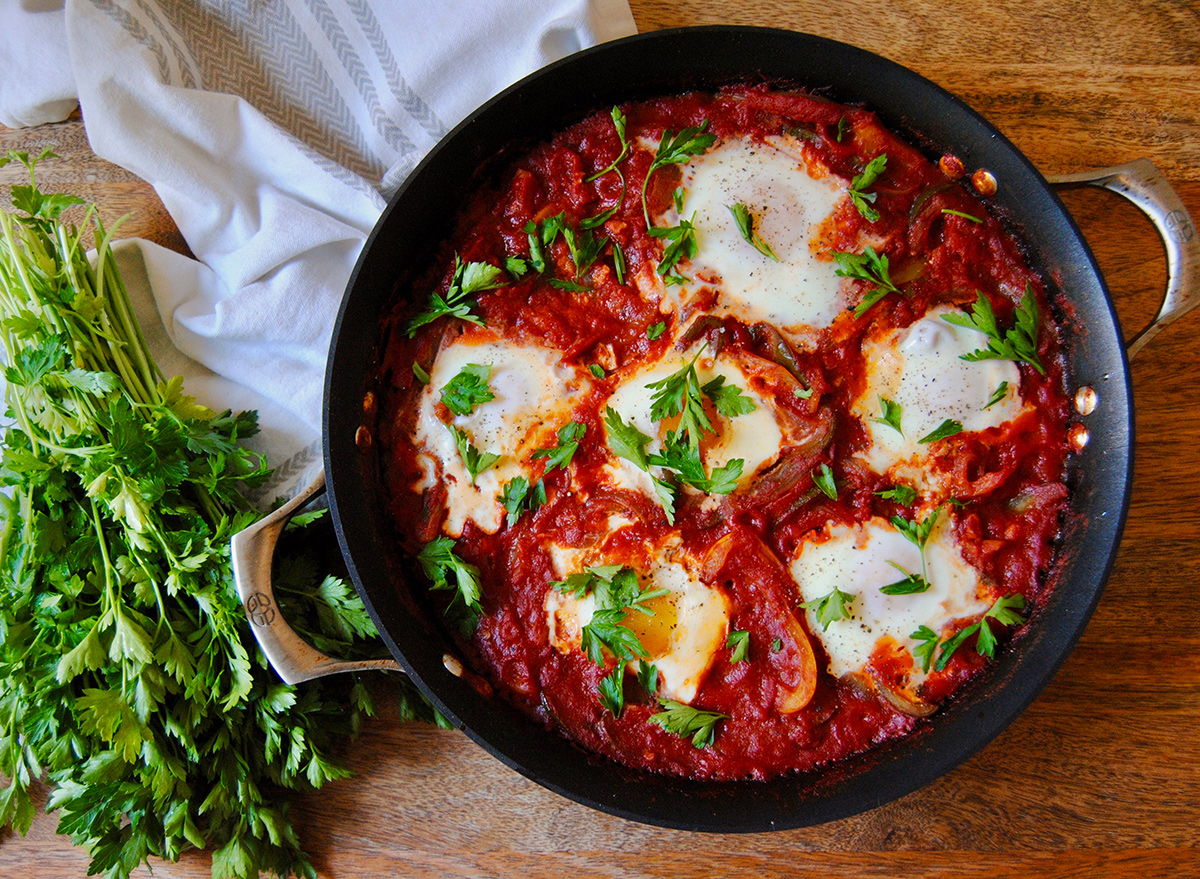
Made with fresh or canned tomatoes, the sauce starts with sautéed bell peppers, onion, and garlic. A few good spoonfuls of the spicy North African red pepper paste harissa adds depth to the shakshuka, making the mixture of this paleo casserole way more exciting than your everyday tomato and garlic sauce.
Get our recipe for Shakshuka.
Waterbury Publications, Inc.
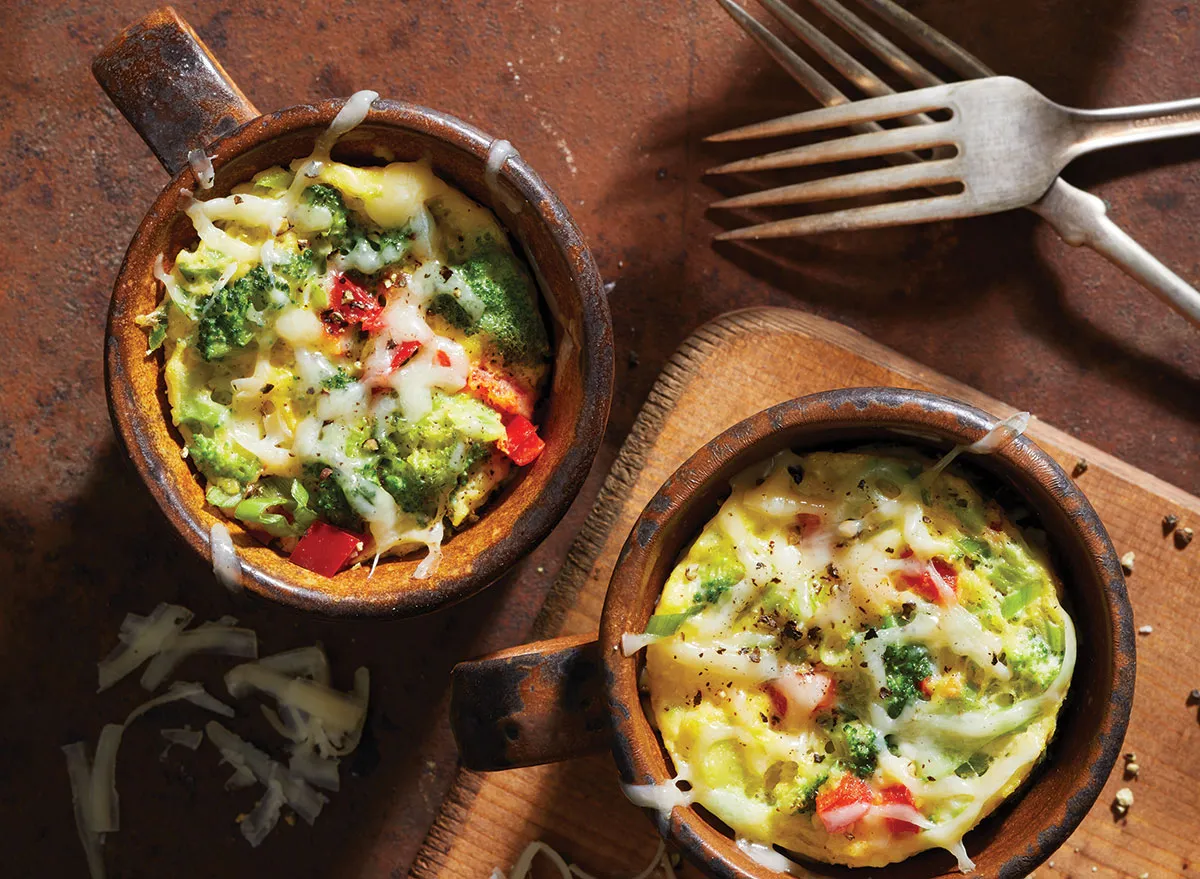
If you want to eat a nutritious breakfast but don't want to deal with the hassle of washing a bunch of cooking pans, this eggs in a mug recipe is perfect for you. It's for one serving, making it a great option for those weekday breakfasts when you just want to eat something and get out the door.
Get our recipe for Broccoli-Cheese Eggs in a Mug.
Waterbury Publications, Inc.
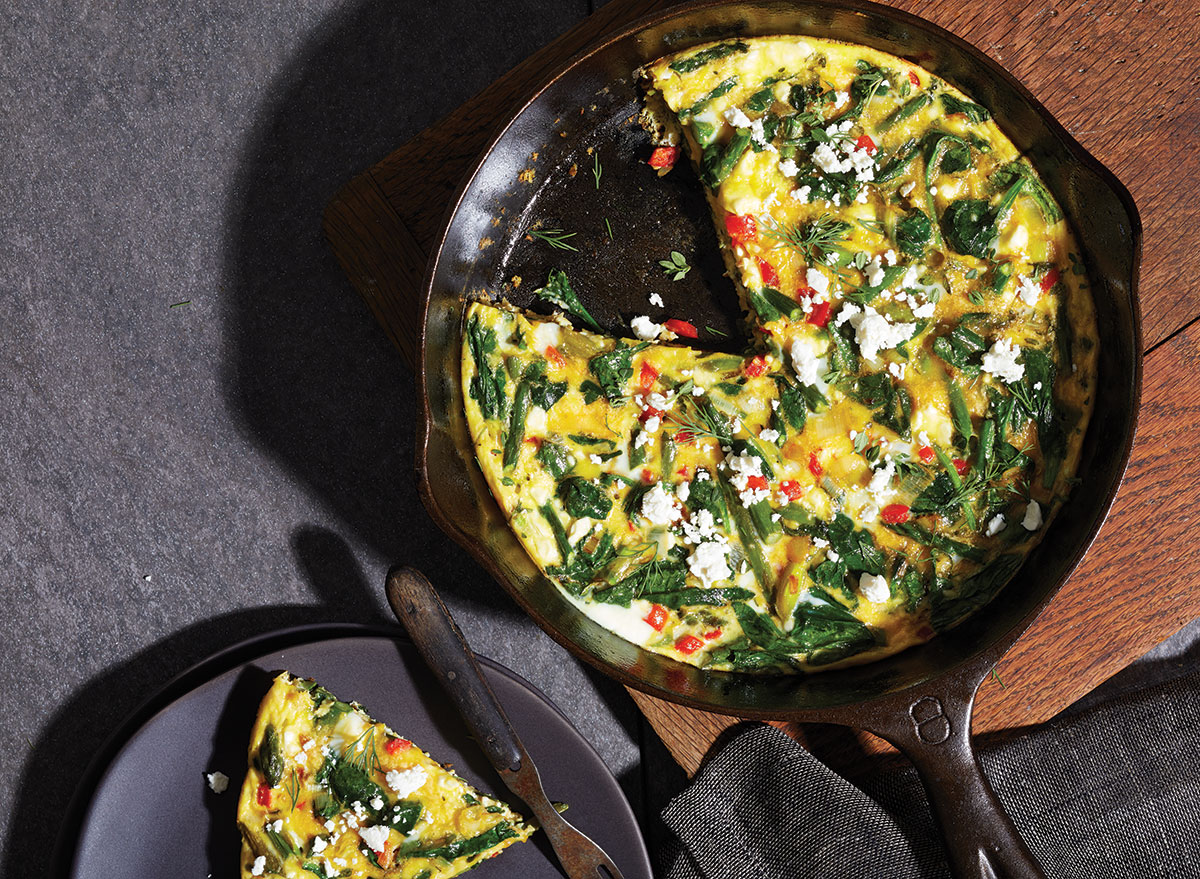
The recipe calls for four cups of fresh spinach, which comes out to one cup in each frittata serving. That'll give you a hefty dose of calcium and magnesium, as well as a little fiber. Combined with the protein of the eggs—you'll get two per frittata serving—this is one dish that will keep you full and give you plenty of energy.
Get our recipe for Spring Vegetable Frittata.
Mitch Mandel and Thomas MacDonald
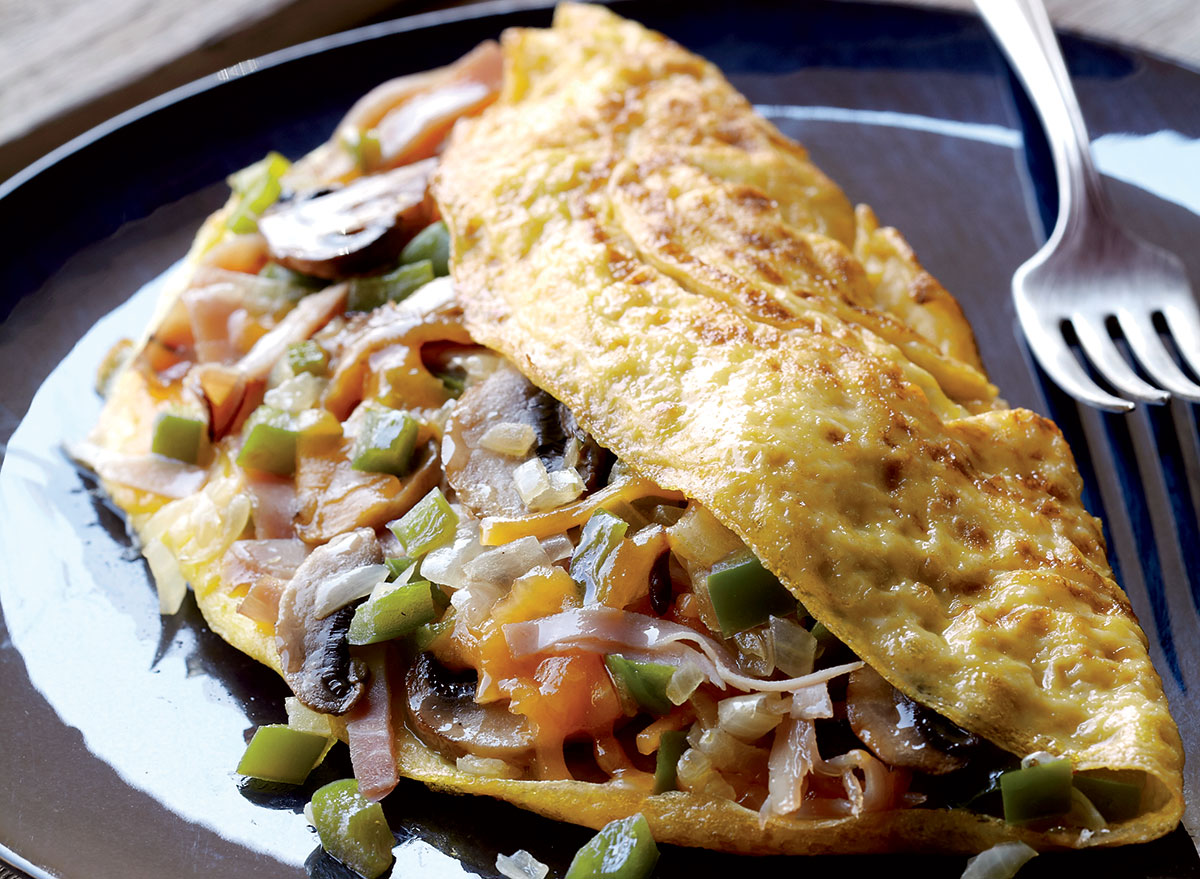
The classic diner omelet is an oversize envelope of eggs soaked in cheap oil and bulging with fatty fillers. The damage, with toast and hash browns: about 1,400 calories and 70 grams of fat. Our ode to Denver doesn't cut the cheese or the meat or even turn to Egg Beaters. No, this is just honest cooking with good ingredients in reasonable portions, exactly what an omelet should be.
Get our recipe for a Denver Omelet.
Mitch Mandel and Thomas MacDonald
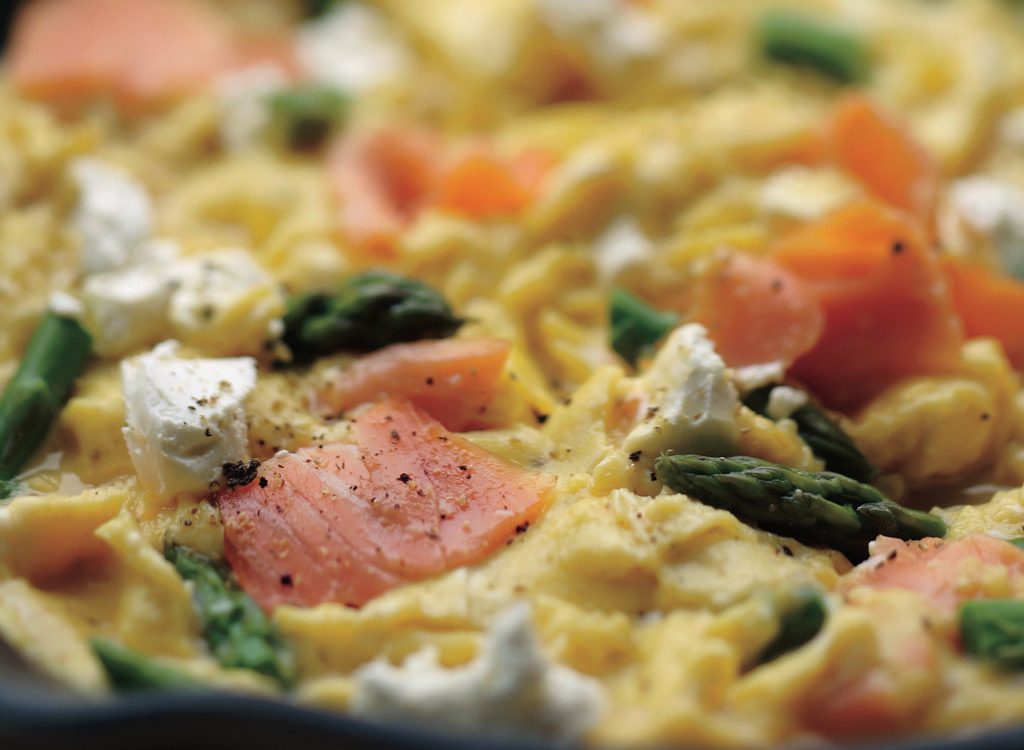
Two eggs scrambled in a pat of butter contain approximately 200 calories. So how do so many other restaurants sling together scrambles with more than 1,000 calories? Simple: excessive oil and egregious amounts of cheese. This healthy scrambled eggs recipe has all the makings of hearty breakfast fare—butter, cheese, protein—but with healthy fats, fresh vegetables, and a light caloric toll.
Get our recipe for Scrambled Eggs with Salmon, Asparagus and Goat Cheese.
Courtesy of Gimme Some Oven
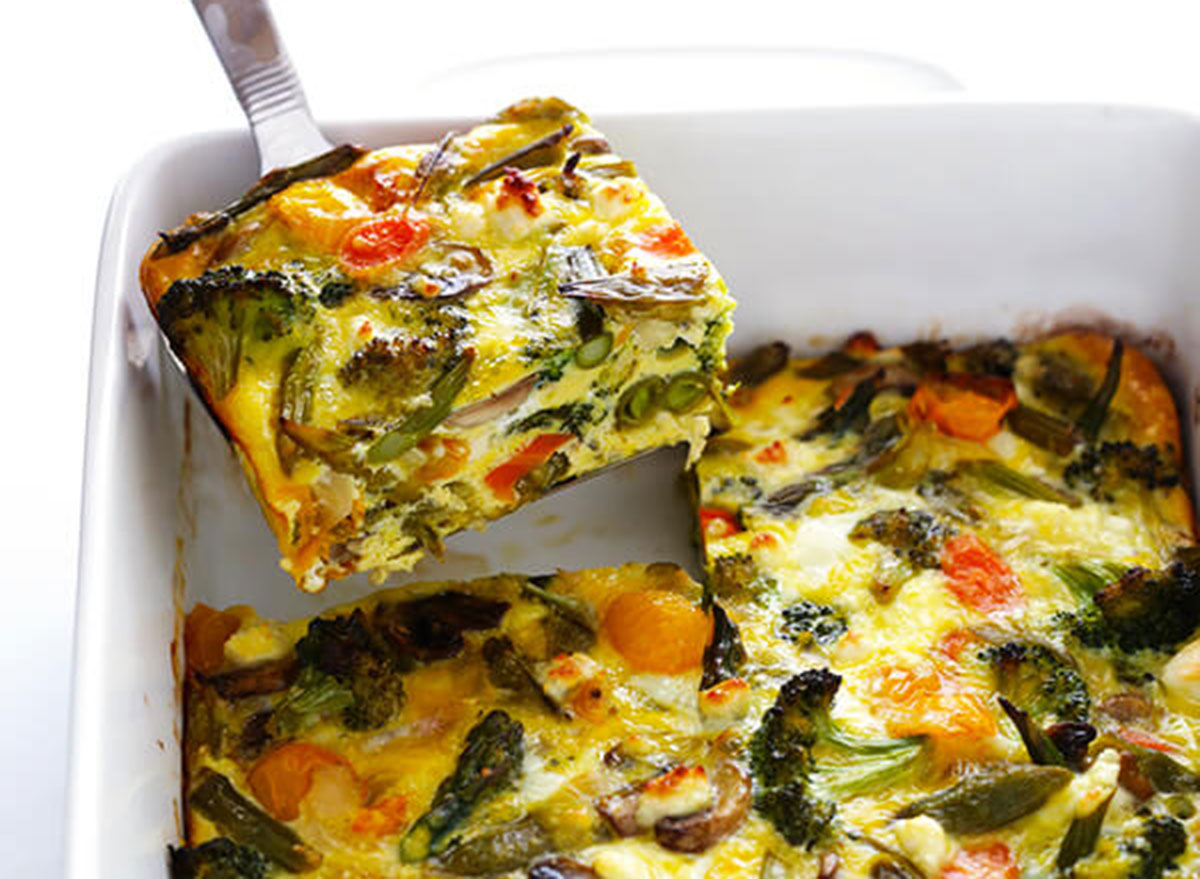
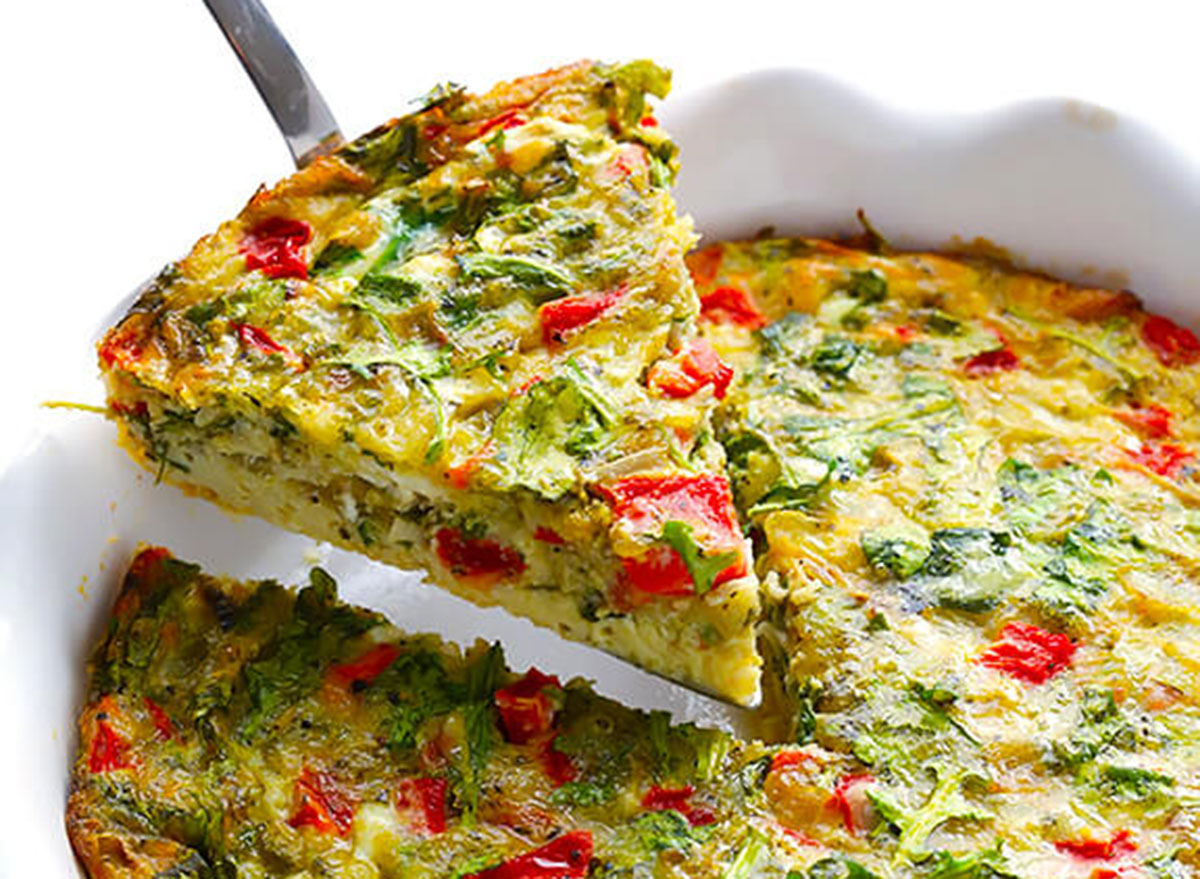
This veggie-heavy casserole will still get your morning off to a great start with a variety of fat-burning antioxidants and phytochemicals. Use those leftover vegetable sides to serve this up as a post-holiday brunch.
Get the recipe from Gimme Some Oven.
Courtesy of Gimme Some Oven
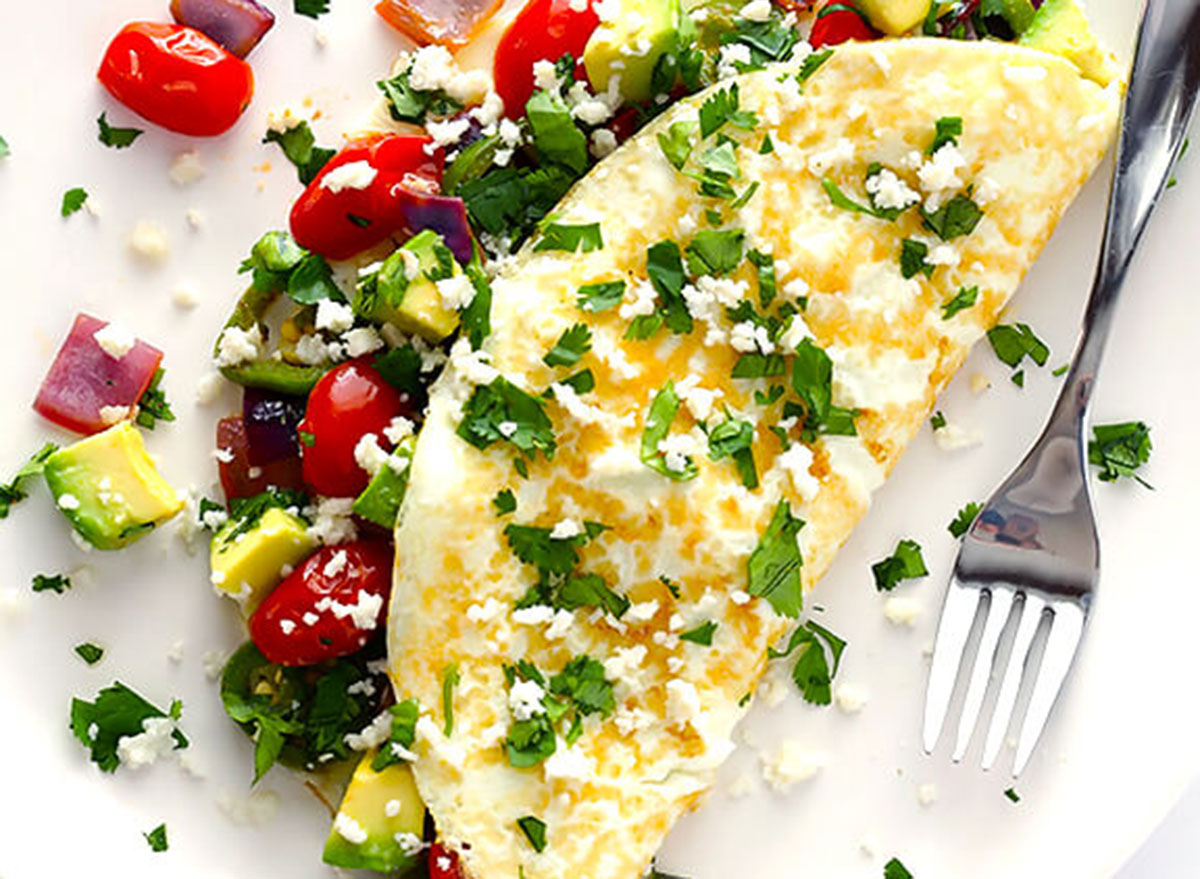
Missing some flavor in your typical egg-white omelet? Who needs a yolk when you have jalapeños? This surefire source of satiating protein will add some spice to your morning and keep you full until lunch.
Get the recipe from Gimme Some Oven.
Courtesy of Gimme Some Oven
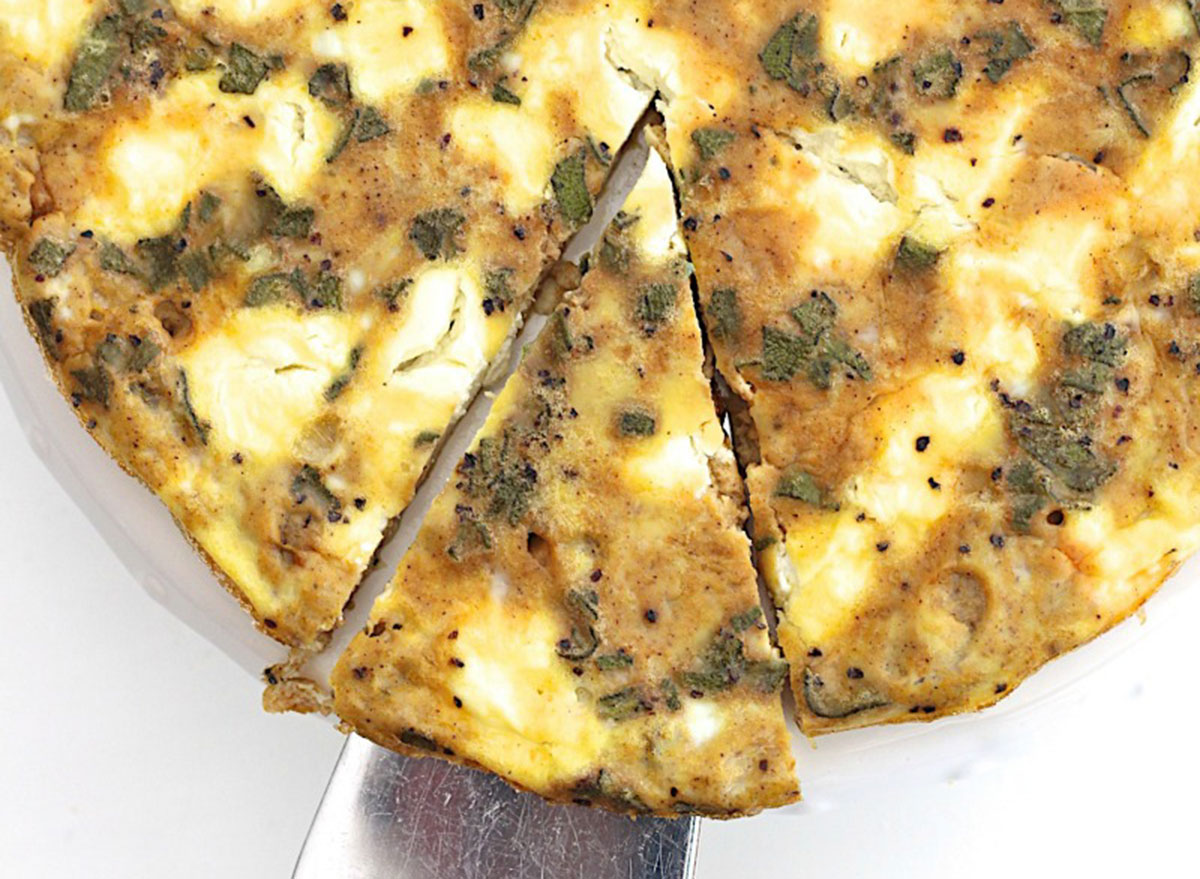
There aren't a ton of ingredients in this flavor-filled frittata, which makes for a light and easy dish that'll fill you up as well as any other baked breakfast. The mix green and red veggies will benefit both your taste buds and abs.
Get the recipe from Gimme Some Oven.
Courtesy of Skinny Taste
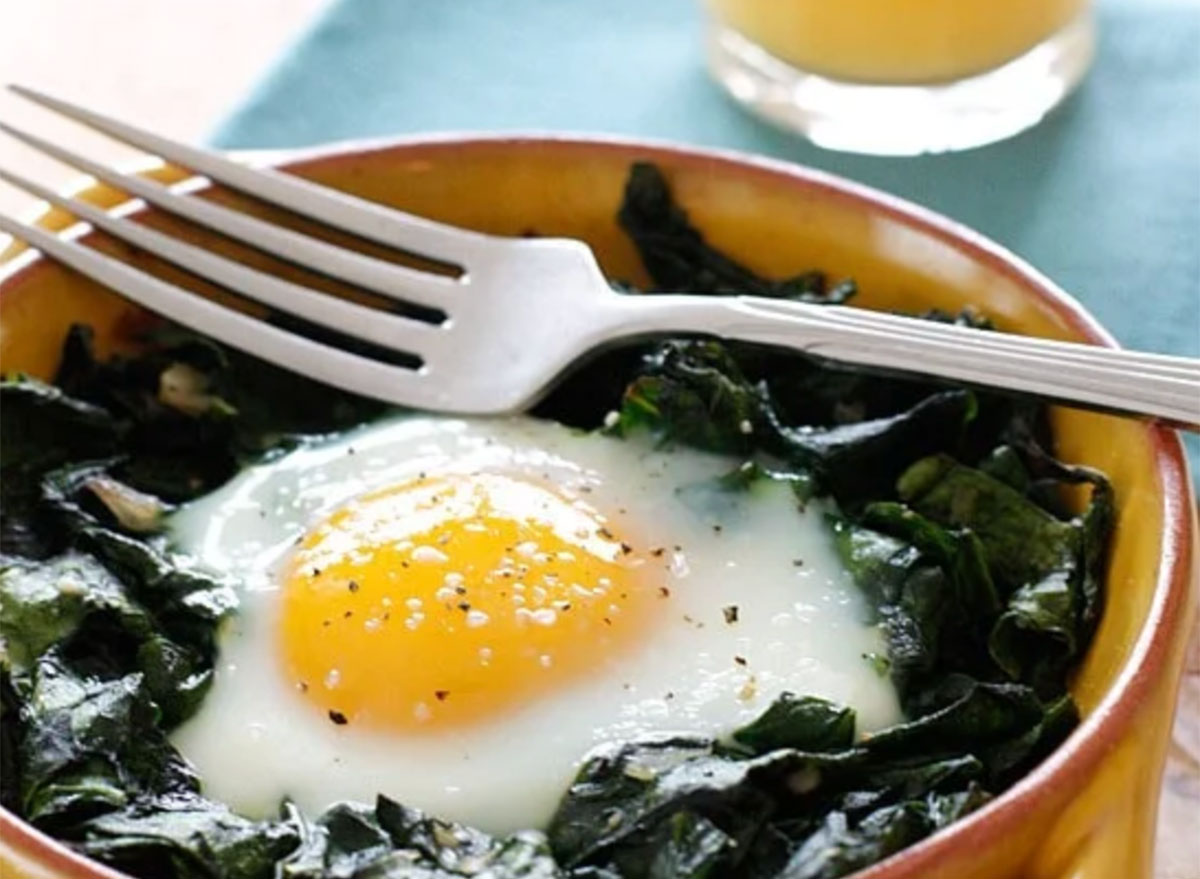
Low in fat and high in protein, this morning meal will power your day, Popeye-style. With two significant sources of protein, this light recipe is sure to satisfy while contributing to your daily allotment of greens.
Get the recipe from Skinny Taste.
Courtesy of Fit Foodie Finds
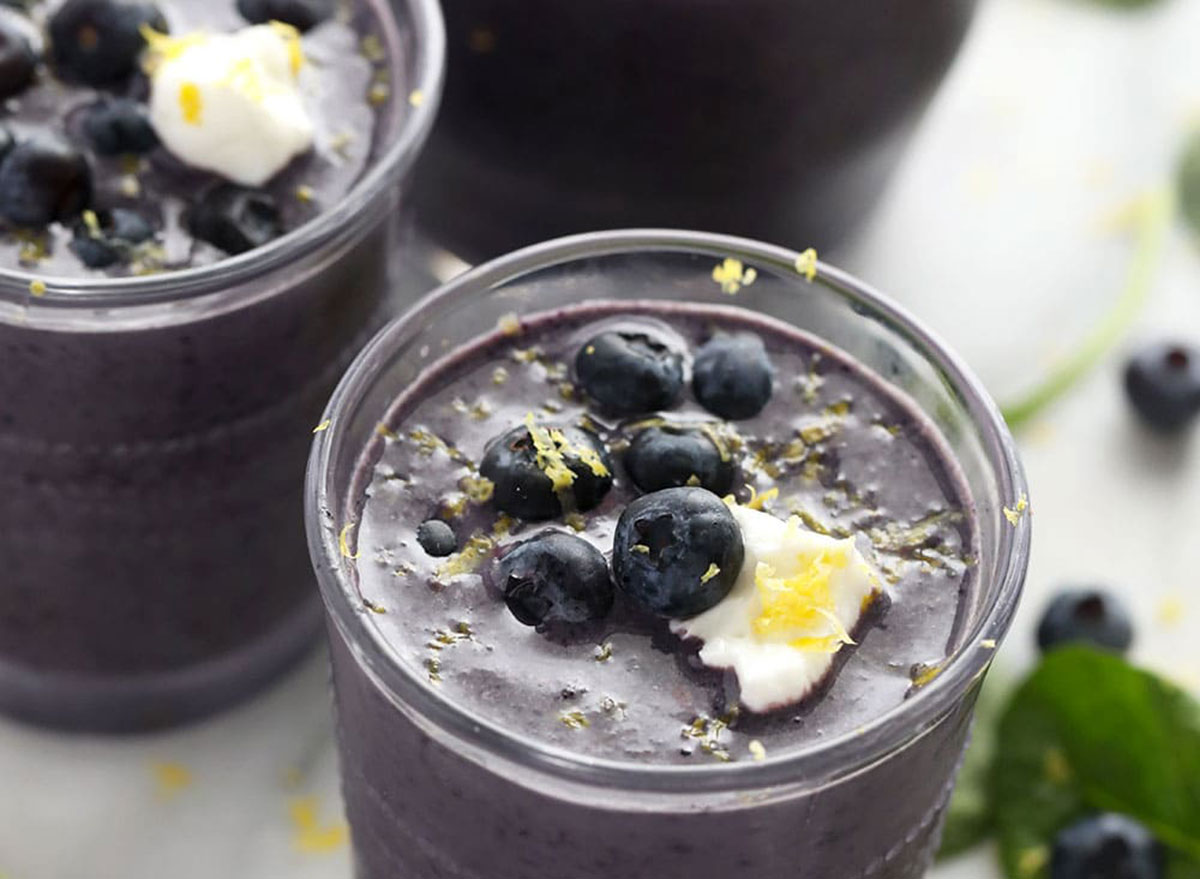
A refreshing rush of antioxidants from blueberries, this smoothie gets an extra boost from flax seeds, a superfood, that'll help you lose weight and burn fat.
Get the recipe from Fit Foodie Finds.
Courtesy of Nutrition in the Kitch
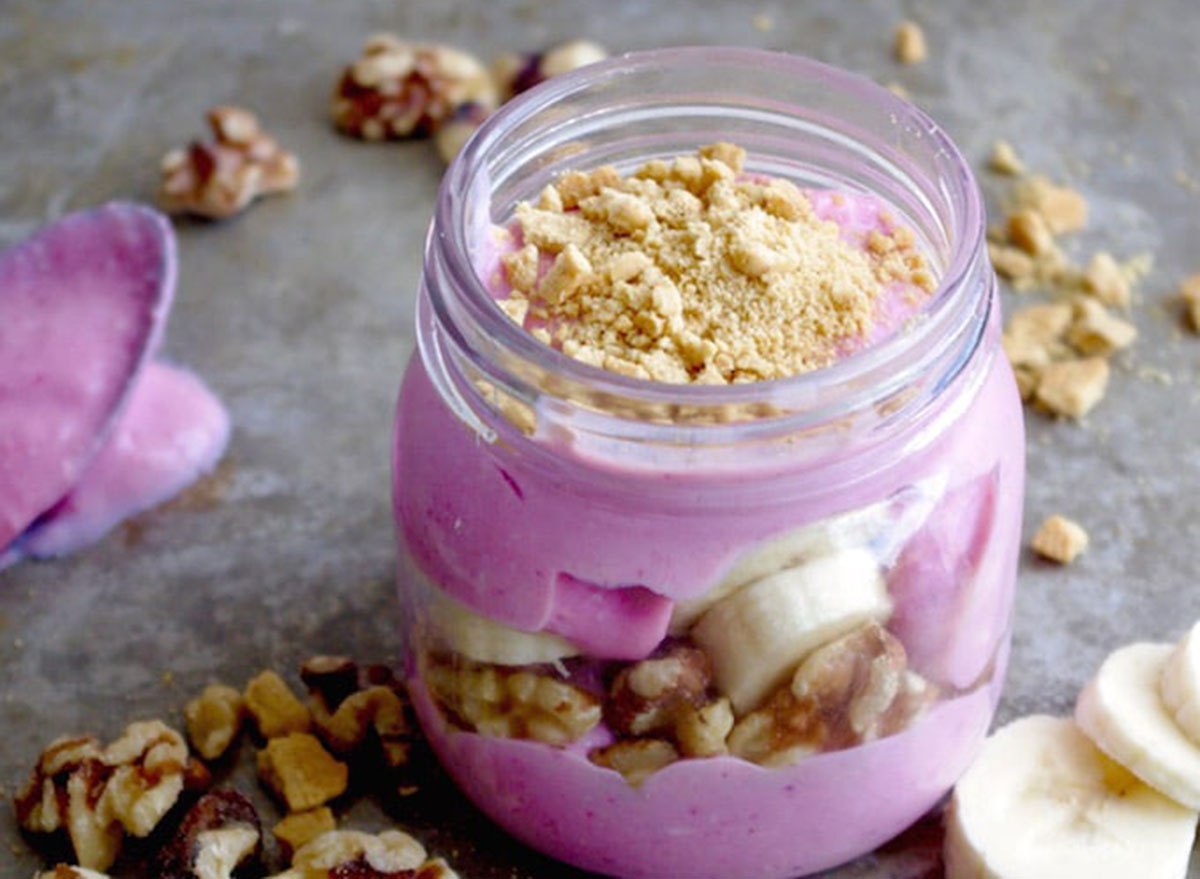
This might sound like more of a dessert than breakfast, but don't be fooled. This cheeseless dish is high in fiber thanks to tasty tofu. It also works well as a post-workout snack to restore your energy.
Get the recipe from Nutritionist in the Kitchen.
Courtesy of Oatmeal with a Fork
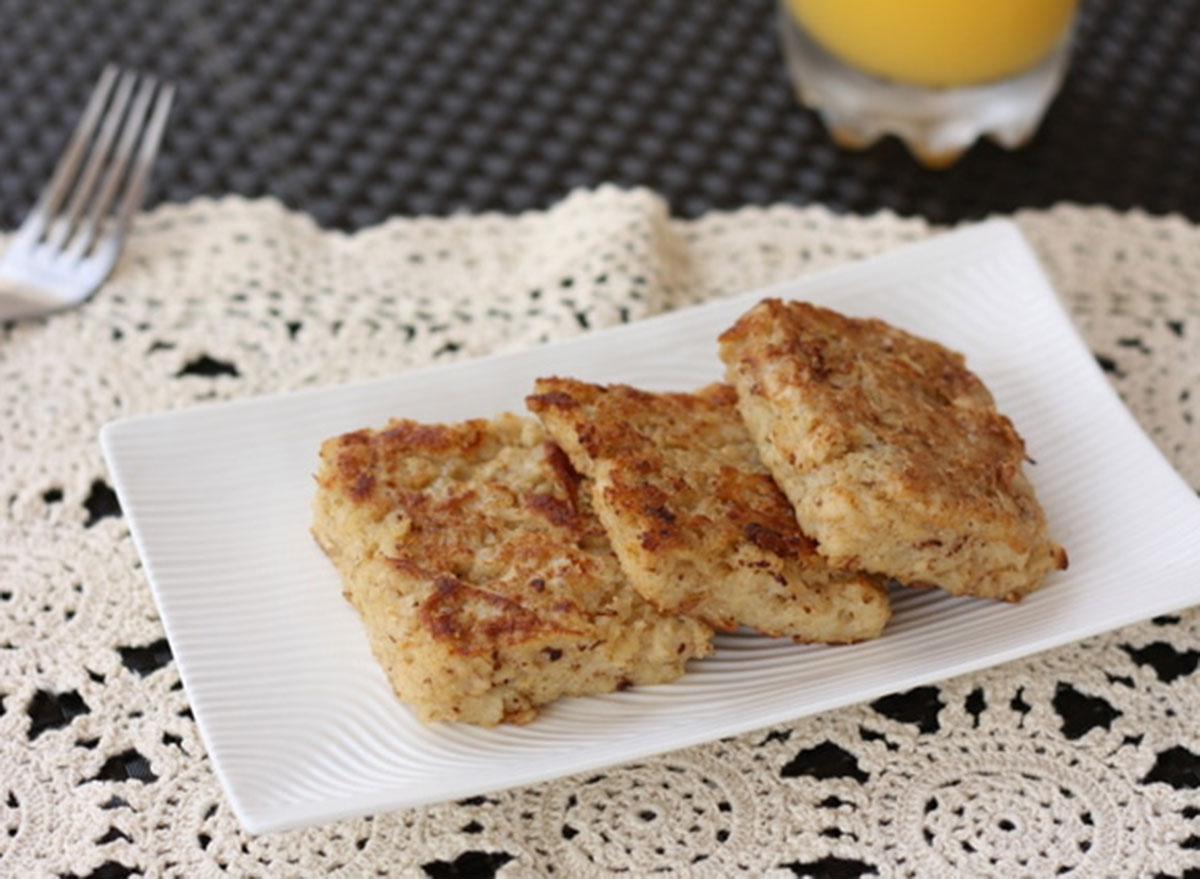
French toast without bread? The secret here is oats, used in place of the carby slices typically used to make this popular breakfast food.
Get the recipe from Oatmeal With Fork.
Courtesy of Veganricha
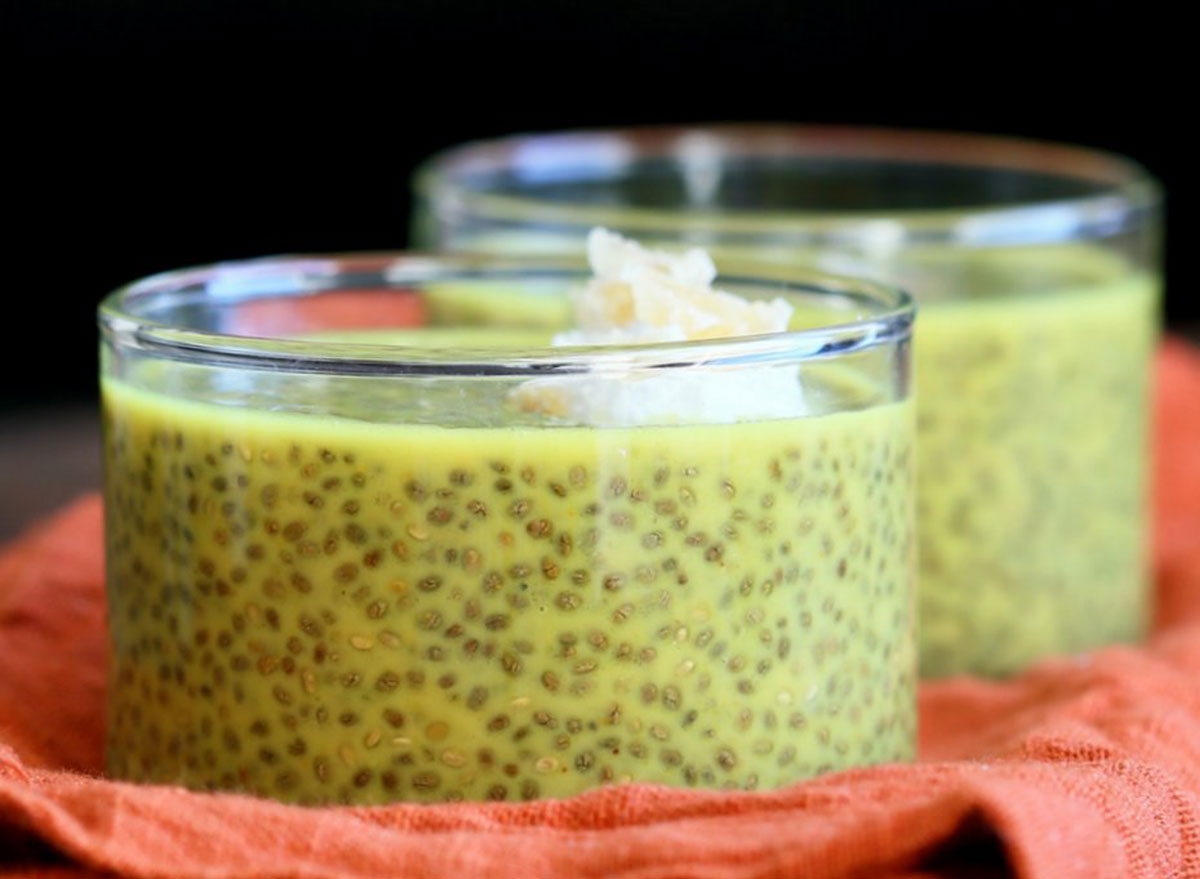
Prepare this breakfast pudding at the start of your day, and you'll be golden for the rest of it. This zesty gluten-free recipe will soothe a troublesome tummy, as will ginger.
Get the recipe from Vegan Richa.
Courtesy of Sassy Kitchen
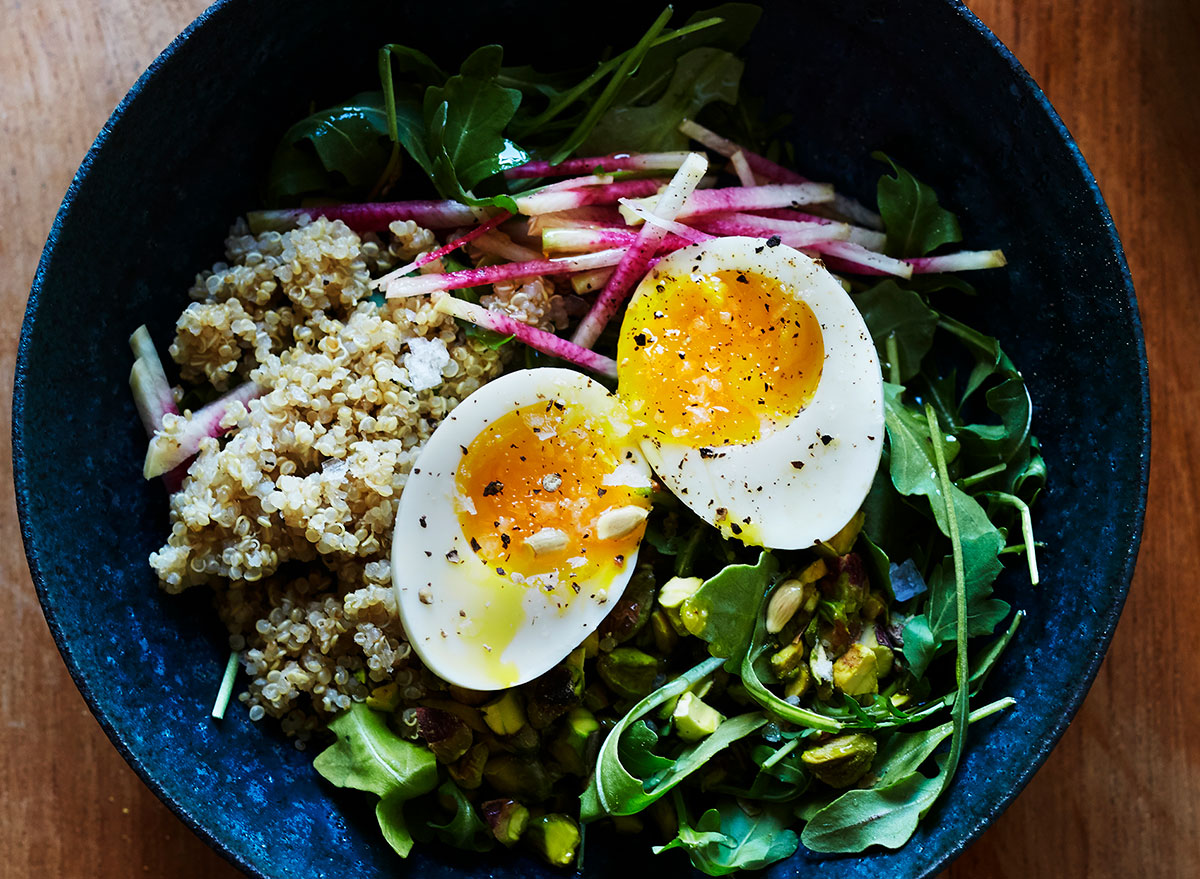
Salad might seem counterintuitive for breakfast, but it can give you a real energy boost. An excellent source of fiber and potassium, this recipe is packed with nutrient-rich radishes. For more salads designed for your first meal of the day, check out these 15 Salads Worth Waking Up For.
Get the recipe from Sassy Kitchen.
Courtesy of Sassy Kitchen
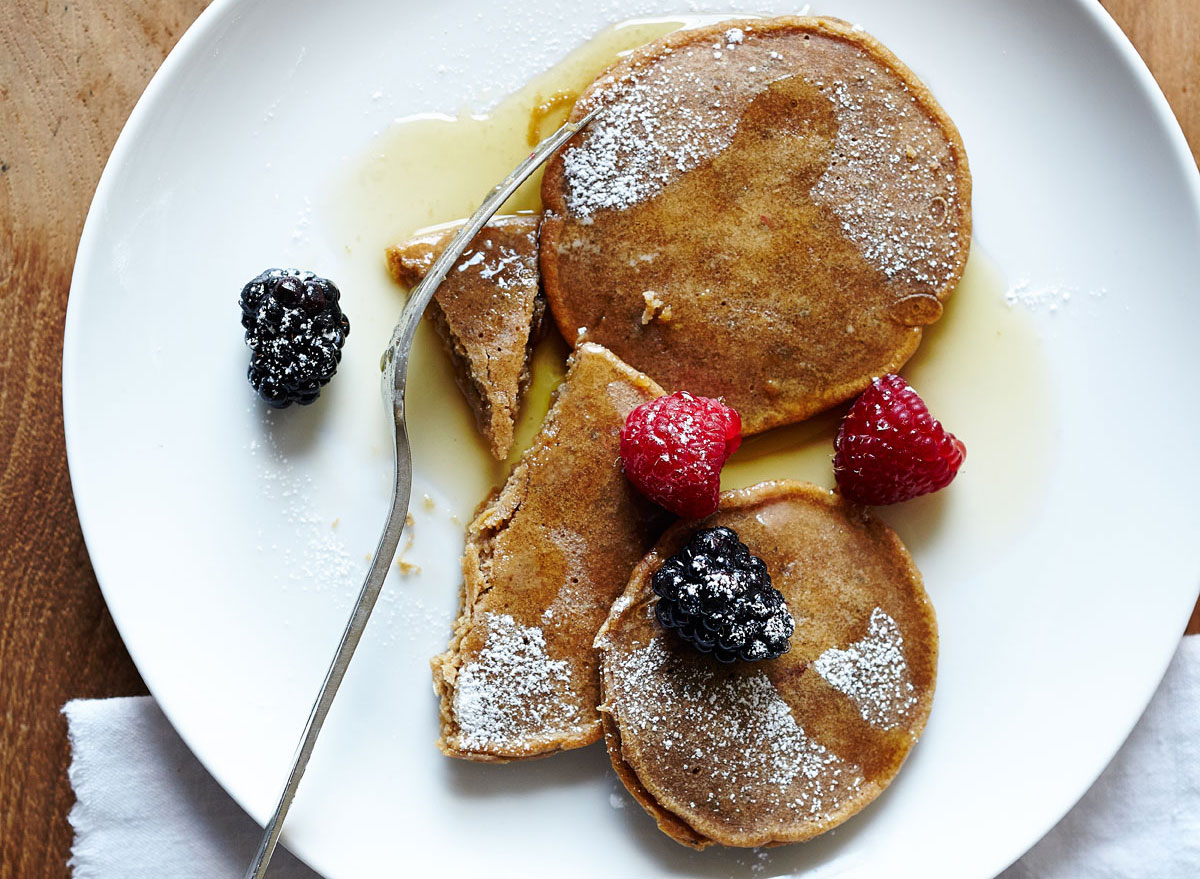
Pancakes on a list of low-carb recipes? You bet. This dish avoids bleached white flour, substituting chestnut and oat flour for a much healthier alternative to the typical fatty flapjacks. The addition of chia seeds provide a fiber-rich boost.
Get the recipe from Sassy Kitchen.
Courtesy of Running To The Kitchen
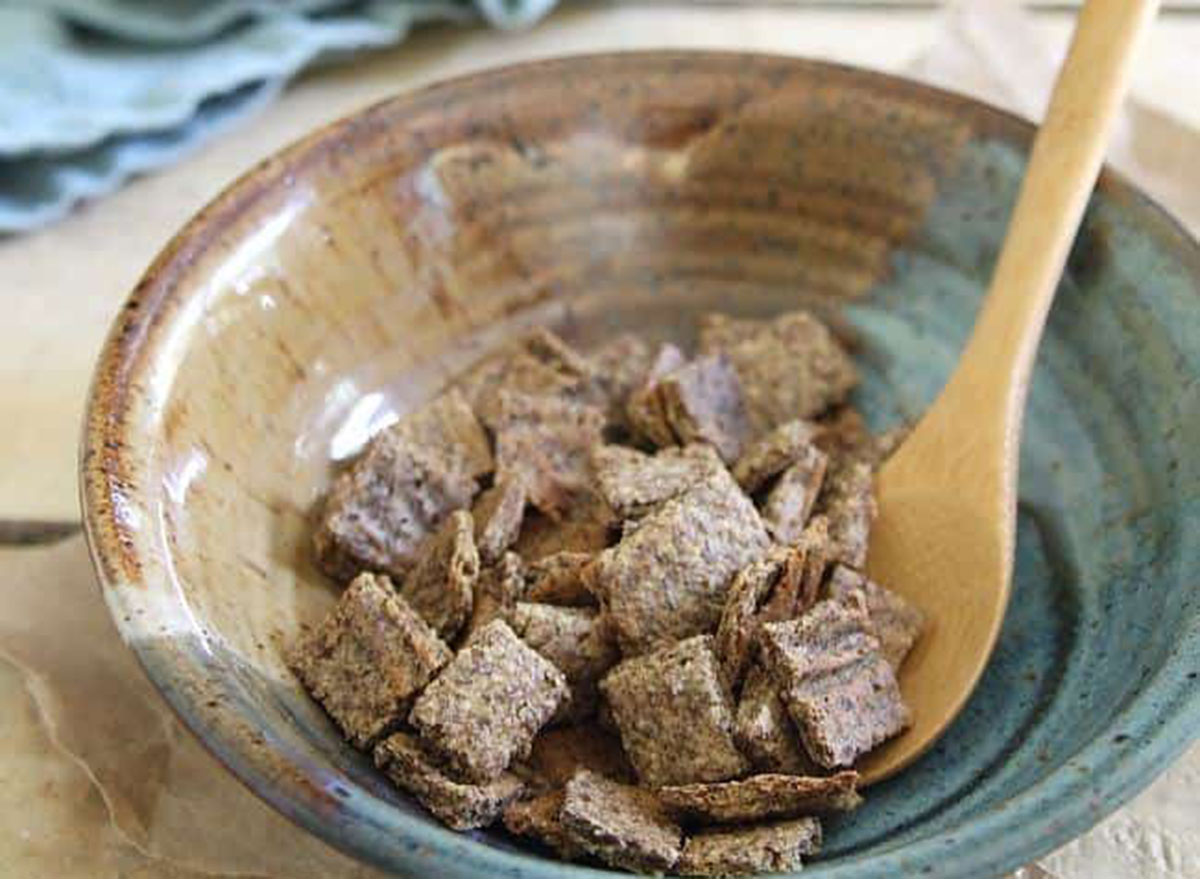
Can't shake your addiction to that cinnamon-flavored cereal? Here's a way to make your wallet fatter and your stomach flatter. The flaxseed base for this homemade cereal allows for a fiber-rich way to begin the day, cinnamon adds the zesty sweetness of the original without nasty chemicals and preservatives. Want to add more cereal to your diet? These are our 11 Best Brand-Name Cereals for Weight Loss!
Get the recipe from Running to the Kitchen.
Courtesy of Running To The Kitchen
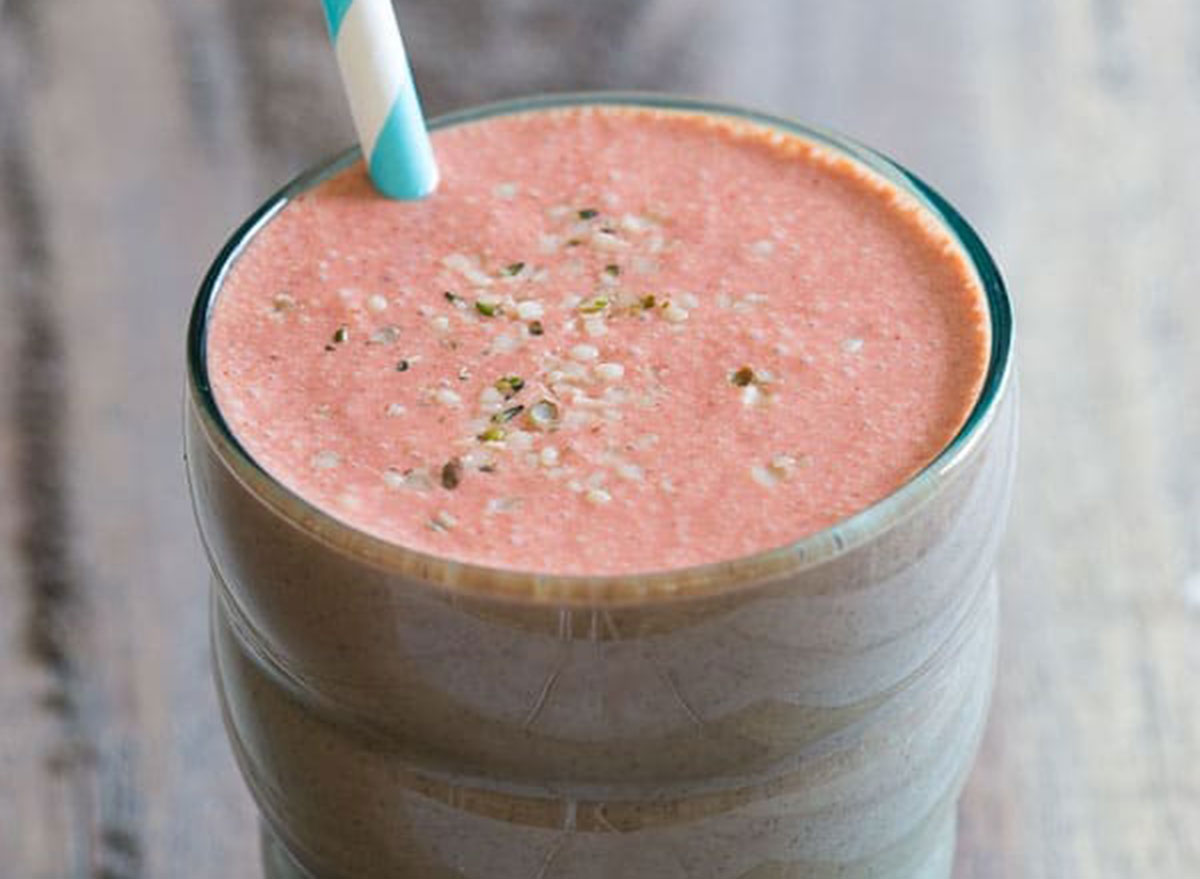
Lacking energy at mid-morning? Shoulda had this Purple Power Smoothie, which has the base of a V8 fruit-and-vegetable blend. With both chia seeds and flax seed, this recipe provides fiber-rich energy. Add some Greek yogurt for creamy texture and dash of hemp seeds for additional nutritional benefits. For more AM ideas, check out some more of our favorite smoothie recipes.
Get the recipe from Running to the Kitchen.
Courtesy of Running To The Kitchen
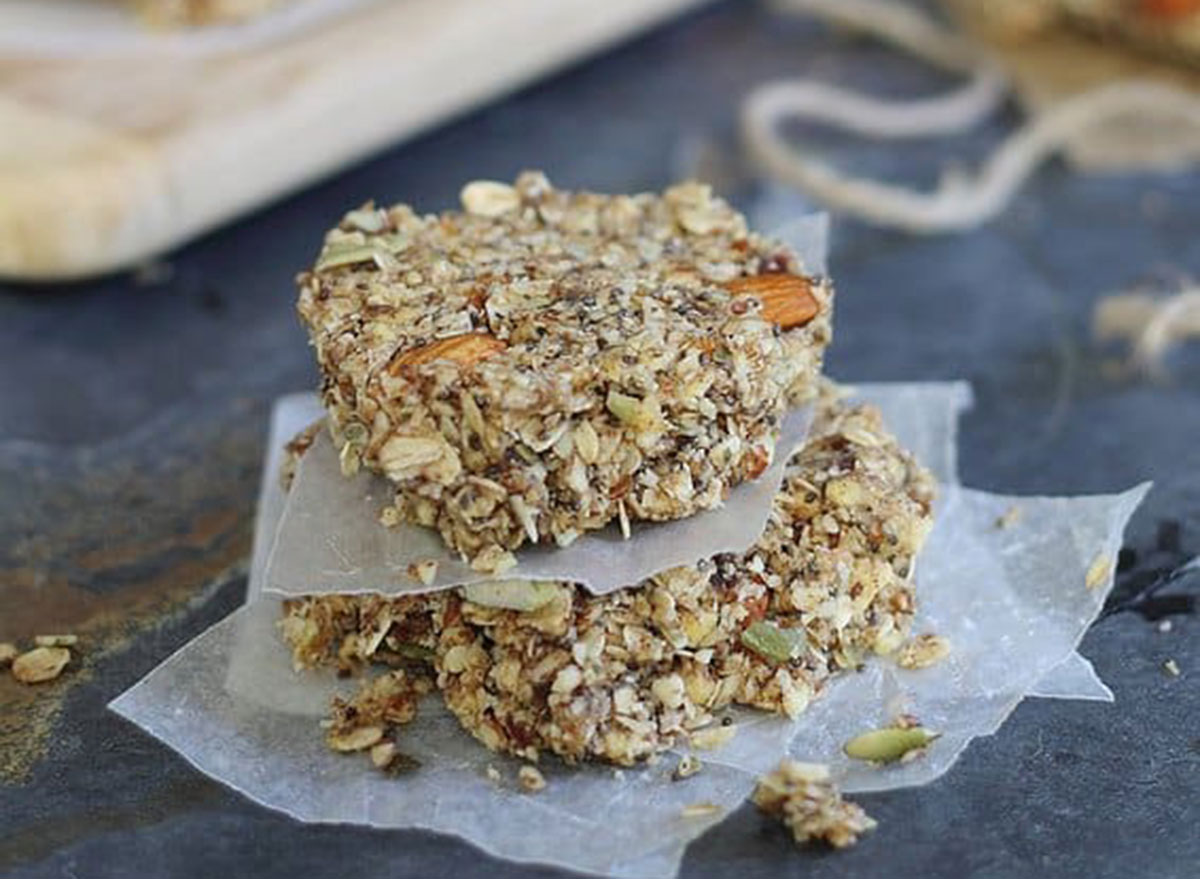
Why spend money on pricey, fatty brand-name granola bars when you could make your own?! With flavor in place of fat, these light granola goodies make for a good on-the-go snack. For more quick and healthy bites, check out our 25 Best high protein snacks.
Get the recipe from Running to the Kitchen.
Courtesy of The Baker Mama
There's a reason why pumpkin is considered one of fall's most powerful superfoods. Its ability to make you feel full while burning fat make it a favorite of nutritionists. Combined with goat cheese and eggs, it's a great way to start the day year-round.
Get the recipe from The Baker Mama.
Courtesy of Karolina's Kitchen
This Asian twist on your favorite combination of meat and eggs has more than half of your daily recommended allowance of protein. It'll keep you running on a full tank with a minimum of carbs. That being said, not all carbs are bad. Check out the 25 Best Carbs for Weight Loss.
Get the recipe from Karolina's Kitchen.
Courtesy of Katie's Cucina
Our second Mexican omelette on this list comes with yolk this time. It's simple yet savory and will prep your mind and body for the long day ahead.
Get the recipe from Kate's Cucina.
Courtesy of Katie's Cucina
Don't let the accent mark fool you. This soufflé is perhaps the easiest recipe on this list. With a minuscule number of calories and a generous amount of protein, it's tasty, healthy and filling. For more healthy egg recipes, check out every way to cook eggs—ranked for nutritional benefit.
Get the recipe from Katie's Cucina.
Courtesy of Karolina's Kitchen
This dish takes the most classic American breakfast combo and reinvents it in a salad. With a whopping 27 grams of protein, this recipe will get help you preserve fat-burning lean muscle. Substitute turkey bacon for more protein and less sodium.